Maximum Altitude
16,200 ft.
Trek Duration
7 Night / 8 Days
Trek Distance
60 Km
Difficulty Level
Difficult
Start/End Point
Prince Chowk, Dehradun
Nearest Airport
Jollygrant Airport, Dehradun
Best Season
May- June / Sep - Oct
Accomodation
A night in hotel room & during trek in dome styled tent
Meals
Breakfast, lunch, evening snacks and dinner
Permits
Forest Department & Trekking permit
Temperature
5°C to 15°C (Day) , 0°C to -15°C (Night)
Snow
December to February
The Bali Pass is a high altitude trek in the Himalayas that reaches a massive 16,200 ft. It connects two beautiful valleys Supin and Vaitarni offering a thrilling experience between the high mountain peaks. This 60 km trek lies within the Govind Pashu Vihar National Park and runs from the small village of Sankri to the holy shrine of Yamunotri. This trek features a dramatic transverse between dense conifer forests at lower elevations and high alpine glacial environment near the top. The Bali Pass Trek can be geographically identified by three landmarks: the ancient wooden heritage village of Osla, the beautiful glacial lake of Ruinsara Tal (3,500m) and the three towering massifs – Swargarohini (6,252m), Bandarpoonch (6,316m) and Kalanag (6,387m). This trek is classified Level 4 due to its severe technical challenges, including the crux – a knife-edge ridge traversing from a high point to steep slope covered with loose scree and permanent snowbeds with a vertical slope of 60 degrees. This is one of the few long-distance treks that results in nearly a 1,000m vertical descent in a single afternoon; therefore, micro-spikes, trekking poles, and a high level of physical fitness are recommended to complete this trek successfully. The trek also provides a unique connection between the tribal lifestyle found in the Har Ki Dun Valley and the spiritual significance of the Char Dham shrines.
The Bali Pass Trek features an uncommon scenery of mythological significance, technical skill levels and geographical movement. This is one of the toughest high altitude bridges between two important cultural landmarks: The Tons Valley (cultural) and Yamuna River (spiritual). This is a more detailed account of why the trek to Bali Pass would be considered one of the most unique treks in the Indian Himalayas:
1. A Grand Crossover:
The majority of treks are found to be in a circular design. Bali Pass is a linear crossover, as you start at the lush tribal region of Sankri and end at the sacred pilgrimage site of Yamunotri, allowing for never having the same scenery twice along the route. You will witness the full transition from the dense forests of Govind Pashu Vihar National Park that are populated with blue pine and silver birch trees, to the high alpine glaciers of Upper Garhwal, to the steep and rocky gorges of the Vaitarni Valley.
2. Unmatched Proximity to Garhwal Giants:
Trekkers on popular treks such as Kedarkantha and Har Ki Dun get to see the peaks from a distance, but on Bali Pass, you will trek to the base of these peaks.
3. The Mythological Legend:
This trek is the Path of Pandavas, and locals say that it is the path followed by the five brothers and their wife – Draupadi – to their final destination: Heaven. Also, your path will take you through the village of Osla and past a temple. The entire town of Osla is composed of large wooden structures that have been connected with large interlocking beams of cedar wood; these buildings provide you with a window into ancient Himalayan architectural style.
4. Technical Terrain:
The technical challenge of the Bali Pass is what sets it apart from other passes and makes it so unique; it has one element that takes it to another level and that is the crux -the descent from the pass to Yamunotri being a 60 degree convex slope that is almost straight down. In early summer this descent is a steep snow bank with inclined angles which would require the use of ice tools or micro spikes to assist in traversing. In the fall, this descent is nothing but a loose rock slope where every step will create a mini avalanche effect produced by the release of loose stones on the slope below you. In one sense, this is the most adrenaline-pumping part of trekking that isn't mountaineering.
5. The Solitude of Ruinsara Tal:
This is a trek to the remote Ruinsara Tal located at a high altitude of 3,500 m. Ruinsara Tal is a remote spot far away from the overcrowded campsites of more popular trekking routes. In the summer months lakes are often adorned with beautiful alpine flowers with large boulders lying all around it, giving the feeling of being at the end of the world. Ruinsara Tal is the calm pre-cursor to the intense and jagged landscape of the Bali Pass that each trekker must traverse.
6. The Temple of Yamunotri:
Many treks usually conclude with a road-head, however, when you trek to Bali Pass, your trekking adventure will conclude in place of major significance, namely the Yamunotri Temple, one of four temples along the Char Dham circuit. This place marks the end of seven days of tough terrain by providing such high levels of spiritual energy. In addition to the spiritual aspect of your trekking, you can also take advantage of the hot springs found at this site to help soothe and heal your entire body after all of your hard work. This is truly a great experience and one that may be hard to duplicate on subsequent treks.
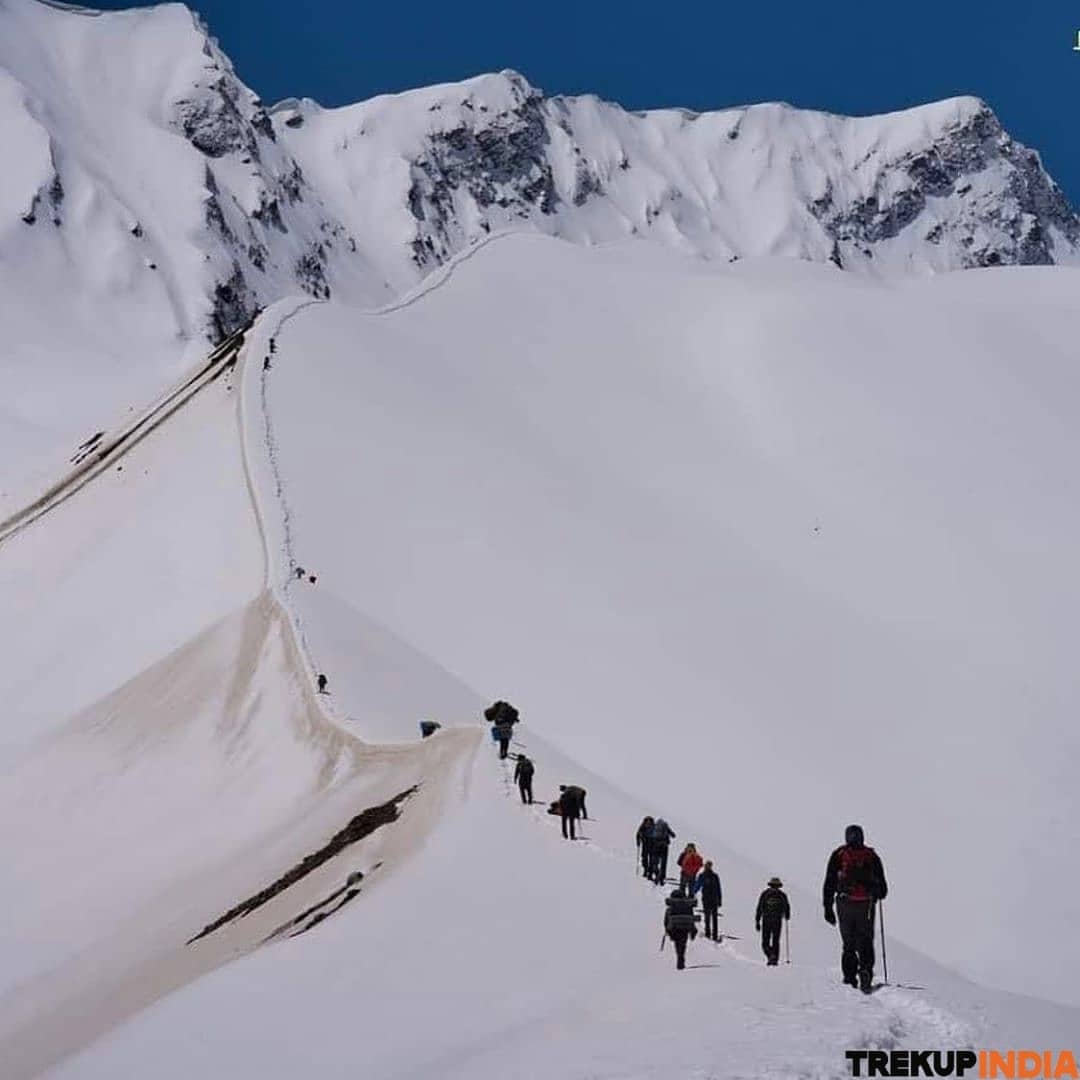
The trek culminates in the simultaneous clash of elements - stress and ease. Following days spent exerting oneself while trying to acclimatize to the elevation difference, you will reach the foot of the mountain where you can find solace at the Surya Kund hot springs in Yamunotri. By soaking in the hot springs, you should experience both an emotional/physical cleansing. Transitioning from the pain associated with descending to the warmth of the hot springs creates a rounded off experience that the Bali Pass is an unrivalled trek in the Himalayas.
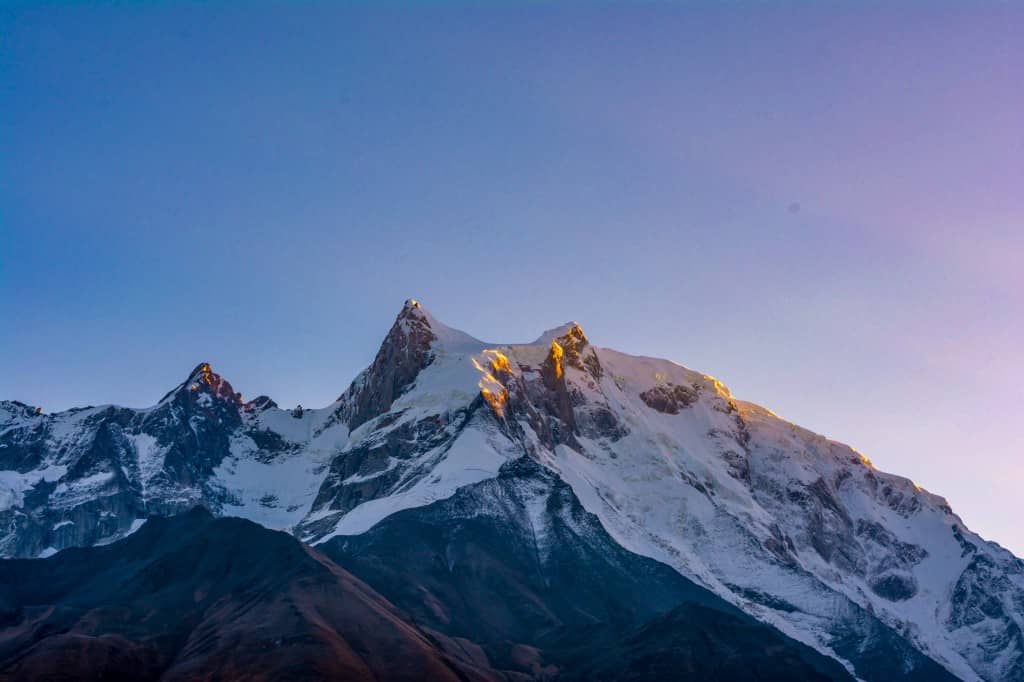
The Bali Pass is rated as a 4 (hard) level trek and is considered one of the most physically demanding treks in Uttarakhand. The crux of the expedition occurs during the descent to Yamunotri when you have to trek an almost vertical wall of 60 degrees. This section requires complete mental focus and technical foot placement while traversing steep scree or ice. It is a true test of mountain grit, where every step you take will require calculation and security.
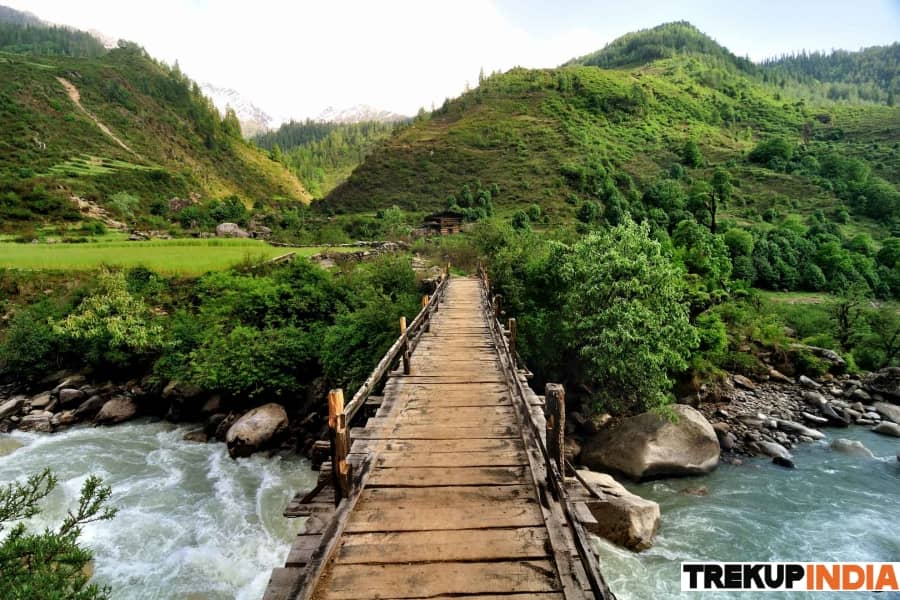
You will cross through the Govind Pashu Vihar National Park, which is a sanctuary for rare and sacred species. The trail leads you through groves of Bhojpatra (Indigenous Paper Birch); in ancient times, the bark of these trees was used as the parchment for sacred scriptures. You may see the magnificent Himalayan Monal, with its beautiful and iridescent multi-coloured feathers, or the elusive blue sheep (Bharal), which moves among the high cliffs, if you are silent and patient. Close to the permanent snowline, you might see a legendary flower that is rare in nature called Brahma Kamal, which grows only in these extreme conditions.
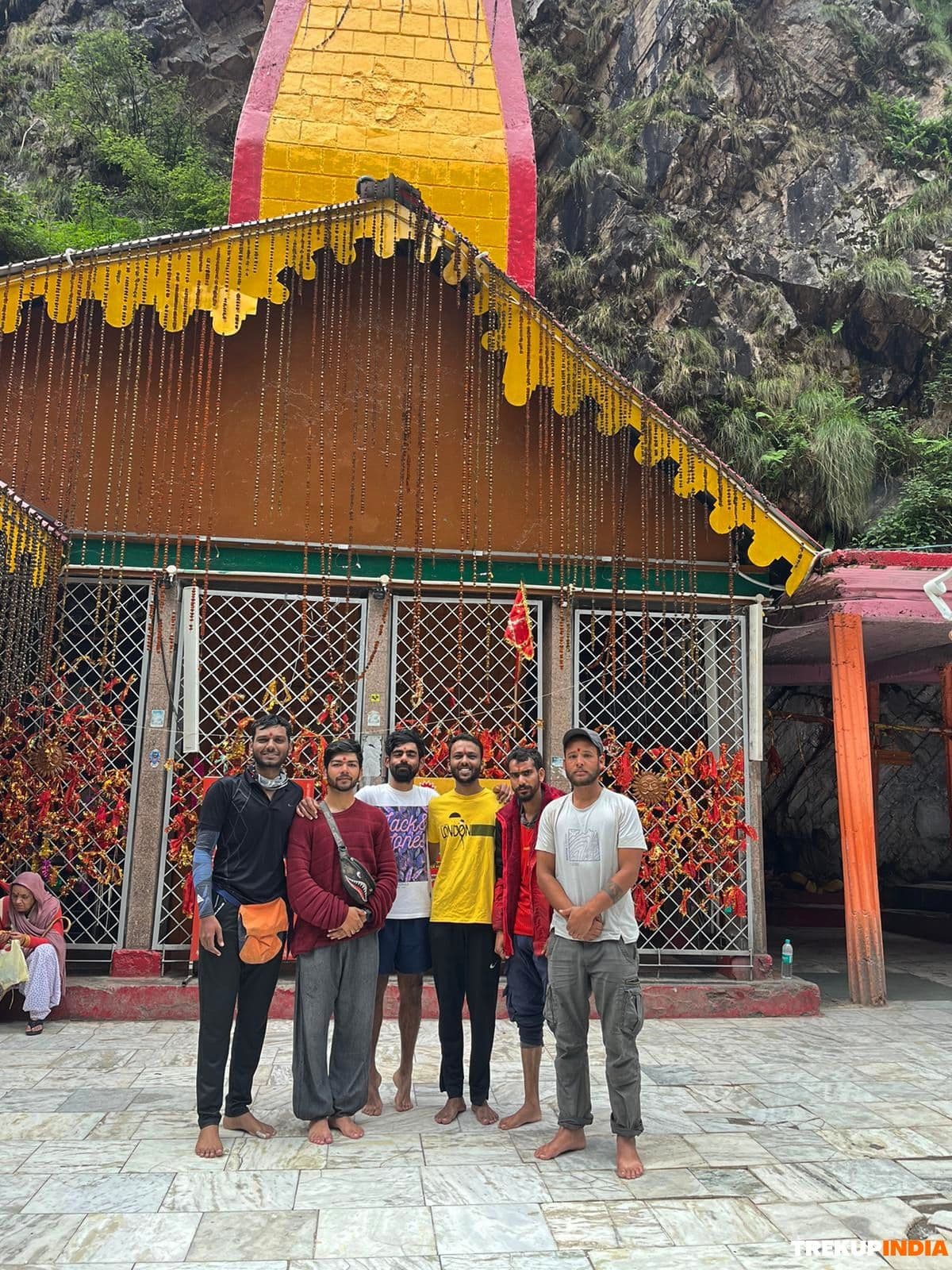
The Bali Pass Trek is an experience both spiritual and physical. You will trek through the (two) oldest and most culturally intact villages in the entire Himalayas (Sankri & Osla). The villages have had some of the most majestic wooden temples that are centuries old and carved with intricate designs which depict stories from the Mahabharata. There is an extremely strong living connection to these legends by the locals. The unique combination of being on top of a mountain (extremely high vertical elevation) and possessing a rich history of human existence creates a profound human spirit within the inhospitable environment as well as showing evidence that these people have endured.
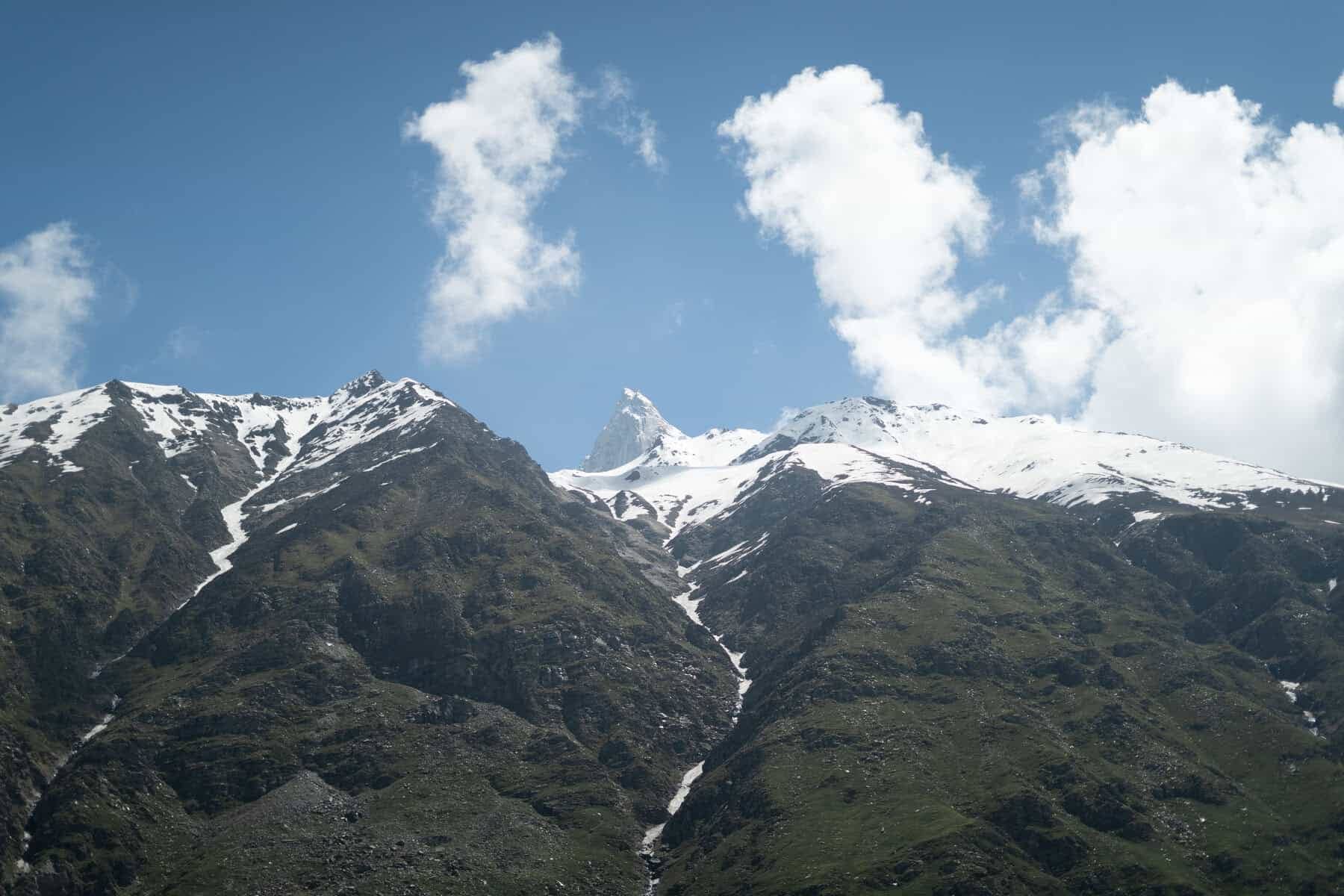
The trek consists of completely different views and experiences physically and visually. In the pre-monsoon period (May/June) the terrain is like a winter wonderland for people who like to play in the snow. The snow is at its peak level which makes for a great opportunity to slide down the tremendous slopes! Below the summit in the meadows, the areas will be vibrant with an explosion of colour from wildflowers and rhododendron flowers. After the snow has melted (September/October) the mountains will appear to be bare, like the bones of the mountain, with a rugged appearance which reveals the skeletal aspect of the mountain. You can clearly see the mountains due to the clarity of the air and hence take amazing pictures due to the closeness of the trees. When you look down from the mountain there will be an array of brilliant autumn colours from yellowish orange.
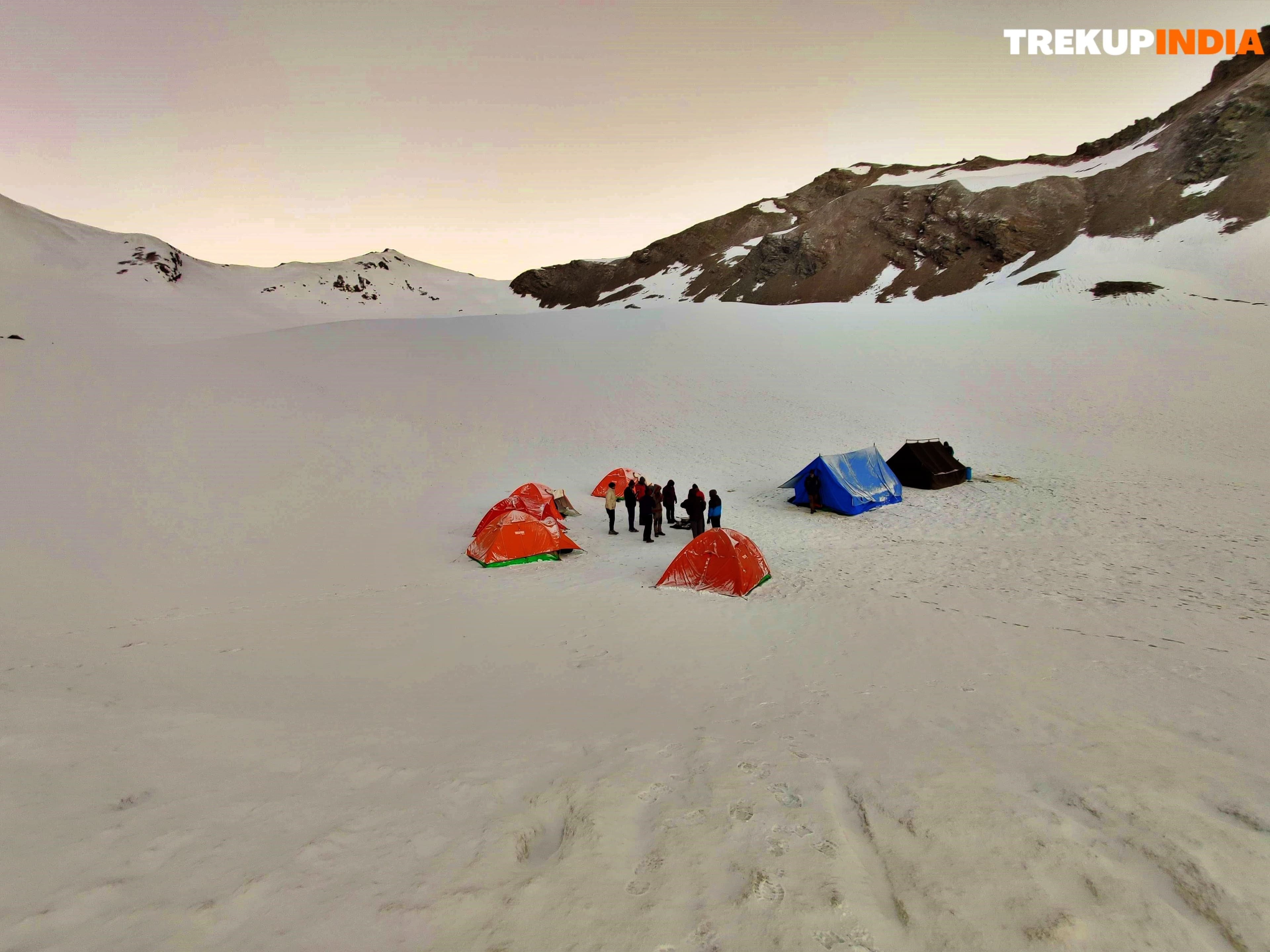
Standing at the summit (4,950 metres) is difficult to describe in words. It is a very narrow and dangerous place to stand. Like the view from the summit of Mt. Shivling, the panoramic view from the summit of Mt. Kalanag is simply breathtaking. The mountains that you see at the top of Garhwal are collectively called the Garhwal Trinity. The three peaks of Swargarohini, Bandarpoonch, and Kalanag amaze all who see them from the summit. In addition, there are some very deep, jagged, trenches on the surface of the earth (valleys), as you look into the valleys below, and there are some very jagged peaks that you can see in the distance on the horizon.
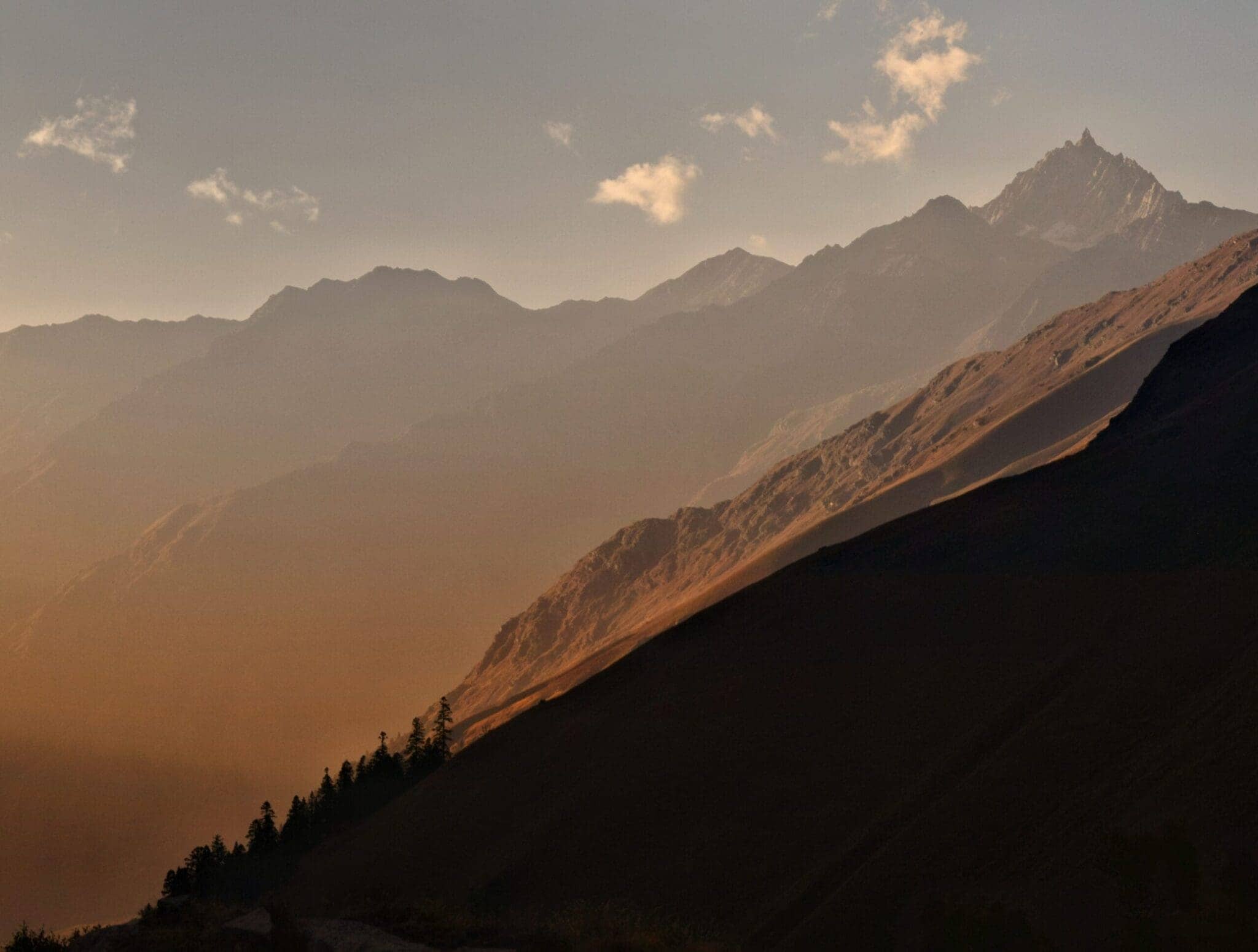
The first part of this trek starts in The Land of the Gods. When you trek into the area, you are immediately surrounded by some of the oldest, largest forests in the world. The trees are beautiful, ancient Deodar and Blue Pine trees. They create an almost magical feeling as you step into the woods. As you trek to the mountain, you begin to notice that the density of the trees is becoming less dense. You eventually reach Ruinsara Valley, which is one of the largest glacial basins in the world. One of the most beautiful parts of the Ruinsara Valley is a mountain lake, or Ruinsara Lake, which looks like a blue diamond because it is located within a bunch of nice big granite boulders. It is cool that this is one of the few lakes with salt water at this height. After you pass Ruinsara Lake, you will not see any vegetation anymore, and you will enter a surreal world of lateral moraines, broken ice, and cliffs.