Maximum Altitude
12,250 ft
Trek Duration
5 Night / 6 Days
Trek Distance
29 Km
Difficulty Level
Easy to Moderate
Start/End Point
Natraj Chowk, Rishikesh
Nearest Airpot
Jollygrant Airpot, Dehradun
Best Season
(Oct - Apr)
Accommodation
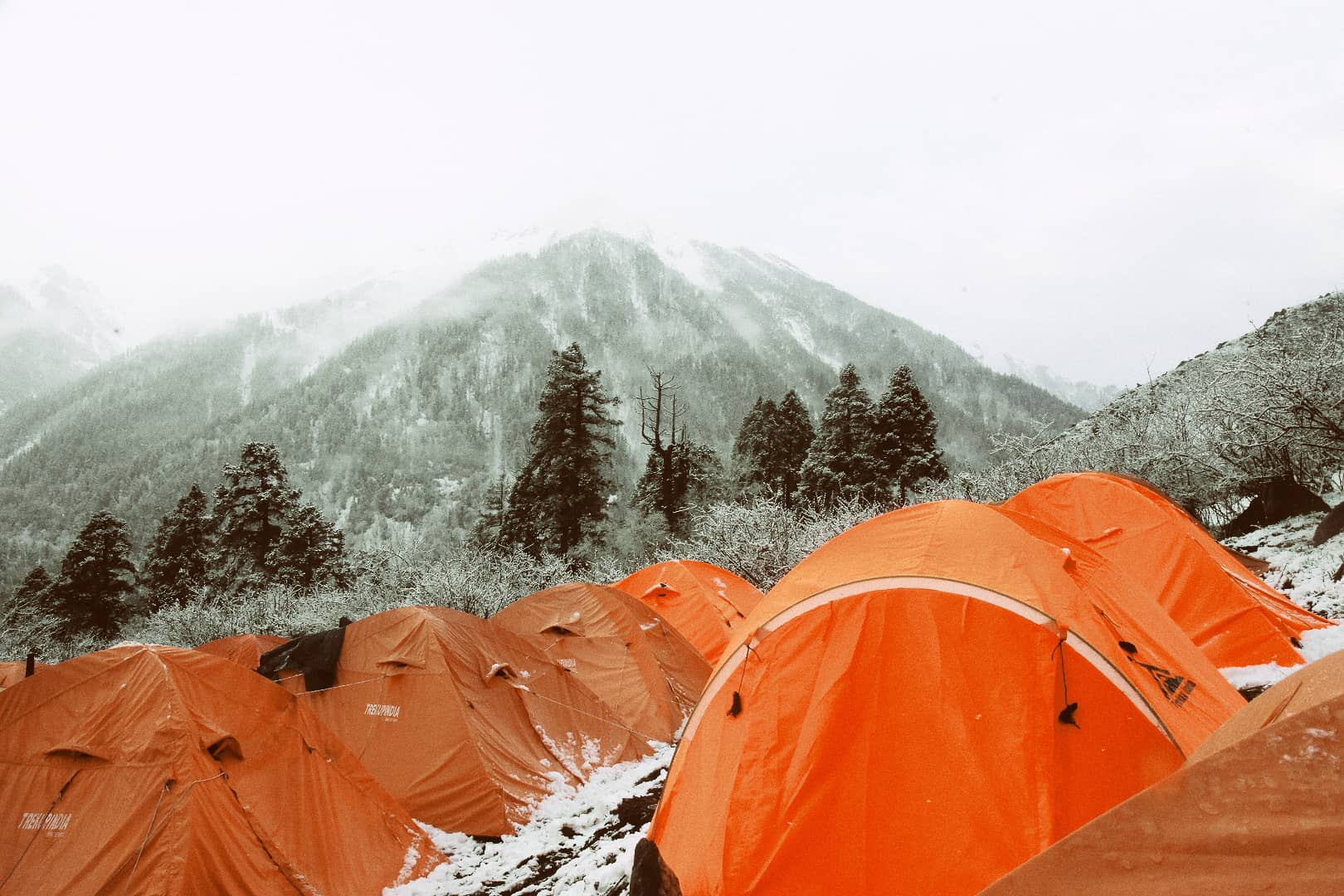
At Lohajung guesthouse on the first day and during the trek at the dome style tent.
Meals
Breakfast, lunch, evening snacks and dinner
Permits
Forest Department & Trekking permit
Temperature
5°C to 12°C (daytime) -5°C to -15°C (night)
Snow
December to February
Brahmatal Trek is one of the most popular winter treks in the Garhwal Himalayas, offering trekkers an awesome combination of high snow-covered areas, as well as some of the most breathtaking alpine views to be found anywhere in the world! The highest point in this trek will be approximately 12,250 feet above sea level (or 1,073 meters). From oak, and rhododendron to vast open, snow-covered meadows. The transition from mid-December to March will freeze everything. The frozen lakes of Bekaltal and Brahmatal become the focal points of many trekkers, surrounded by completely white landscapes. What is truly unique about this trek, is the outstanding view over the summit ridge, with trekkers looking upon the tremendous profile of Mount Trishul, and Nanda Ghunti. This trek is also very similar to being in high-altitude trekking, but you will not need to be an experienced trekker to complete it. For new beginners, this trek is all about cultural immersion; visiting Lohajung, the oldest village on this trek's route, is an important part of the experience. A great degree of respect for the weather conditions should be shown by all trekkers; at night the temperatures drop to below freezing, and micro-spikes are essential gear for safely traversing icy hilltops.
1. Winter Gateway for Beginners:
The Brahmatal trek is convenient and safe for people of all skill levels to reach an alpine environment in the winter. Because most treks within the Himalayas above 12,000 feet are considered dangerous, challenging or impossible to complete due to the severe cold and high amounts of snow in the winter months (January and February), this makes Brahmatal stand out because it is considered to be moderately easy in difficulty—therefore, it is a good option for beginner trekkers who want to experience the difficulty of a winter trek while being safe from the hazardous conditions of other winter treks. Additionally, the trek offers a controlled environment for winter experience, allowing trekkers to achieve the feeling of skiing across a frozen lake at a high elevation.
2. Frozen Beauty: Brahmatal and Bekaltal lake
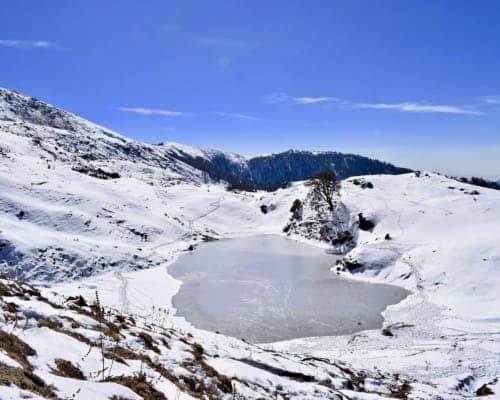
The beauty of freezing lakes are what define this trek and make it a truly unique opportunity. As the temperature drops below freezing, both Bekaltal and Brahmatal Lake's develop two feet/thick layers of ice. The ice formed on the top of the lake creates a mirror-like surface that reflects the surrounding forest, which is generally dark and heavy with snow (oak and rhododendron). This landscape, because of its dynamic nature—while the appearance is similar to the winter months—is considered to be among the most beautiful landscapes created on any known trek.
3. Giant Mountain Views are Unique and Beautiful
Brahmatal Top, located at 12,250 feet above sea level, provides an unrivaled 360-degree panoramic view of some of the highest and holiest mountains in the Garhwal Himalayas. From this high point, you can see some of the most impressive giants Mount Trishul, and Nanda Ghunti in the region with amazing clarity and very little distance. The breathtaking views from Brahmatal Top allow trekkers to experience an inspiring Giant Mountain View without having to travel as far or climb as high as would normally be required.
4. Clear Visibility for Winter Photography
Most people expect to have less visibility during winter months than in other seasons, but that is often not true in the Himalayas immediately after a fresh snowfall. The extremely cold temperatures and clear winter weather keep dust and haze away from the lower levels of the atmosphere, giving fabulous visibility (and also an ultra-crisp quality of light). The low angle of the winter sun highlights the detailed textures of the snow and the massive granite cliffs, making for some remarkable photography of the incredible scale of the mountains against the deep blue sky.
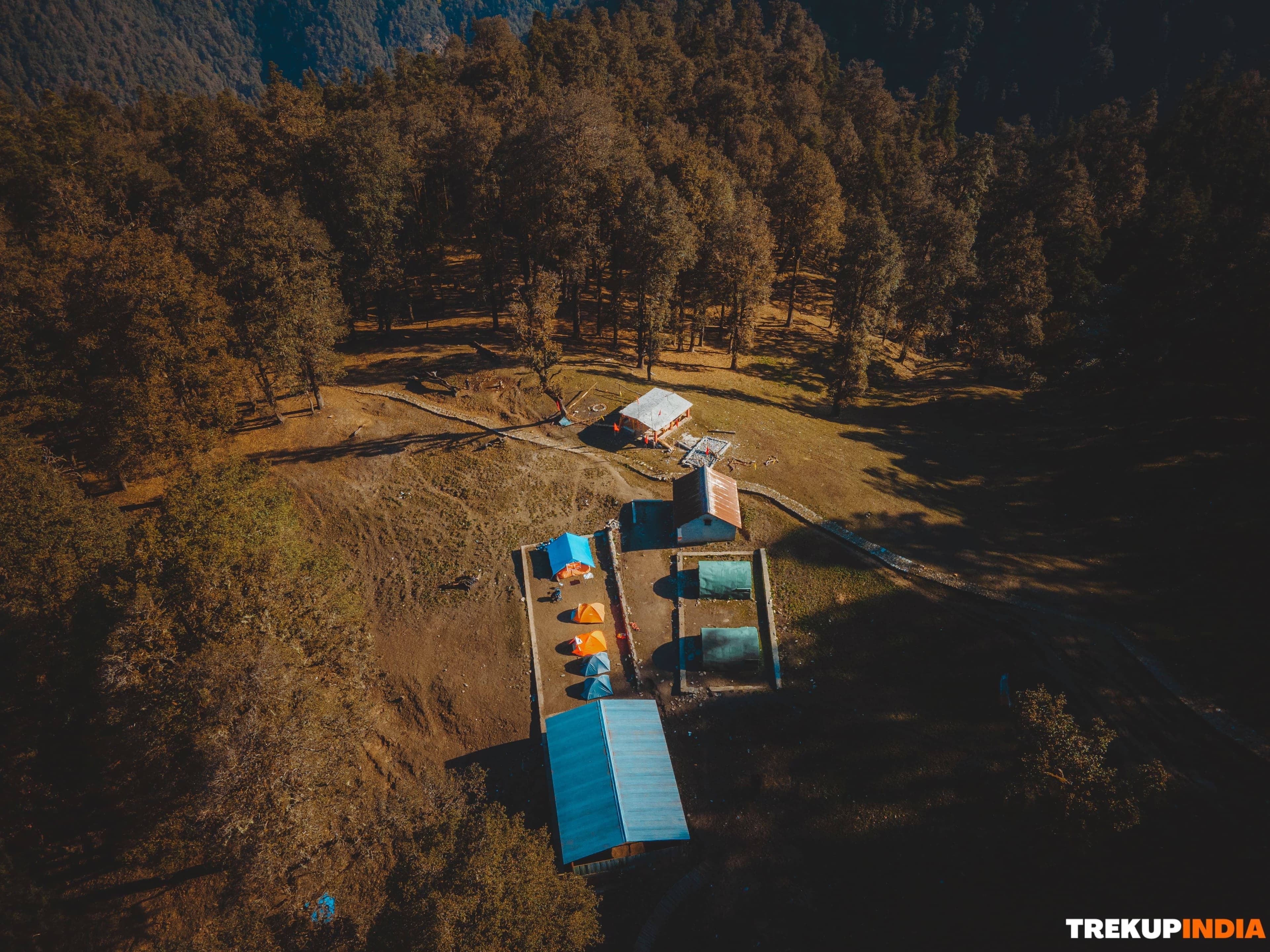
As you trek through this adventure, you'll see an incredible variety of natural beauty in the area. Much of the area we will walk through is covered in dense Oak and Rhododendron forests. In the winter, when the white snow on the trees forms what can easily be described as a magical tunnel. During your trek, you will encounter rolling meadows and High Altitude Ridges, all leading up to two beautiful alpine lakes, Bekaltal and Brahmatal. The pristine white landscapes of winter snow will be replaced with brilliant colours in Spring from the flowers of the Rhododendron trees.
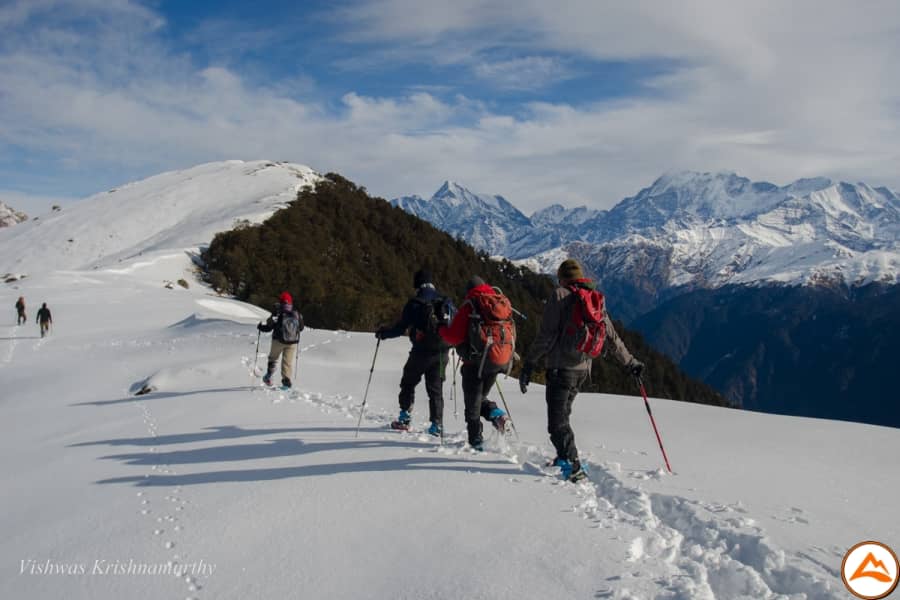
The highest point on this trek will be known as, Brahmatal Top (approx. 3,734 m / 12,250 ft). From here you'll have unobstructed 360 degree views, from the beautiful Himalayas, and all this for your effort during the trek. From here you will be able to see one of the most incredible views of the entire trek, up close and personal, with two of the most famous mountains in the world: Mt. Trishul (7,120 m) and Mt. Nanda Ghunti (6,309 m) as well as many other spectacular peaks.

There are two beautiful seasons. The first beautiful season is the Winter season, which runs mid December to February, where the snow will be covering the ground, and the lakes will be frozen with the purest, and coolest air to breathe. The second beautiful season is the Autumn season, which runs from October to April. It is during the Autumn season, that you will see the new life coming out after the rains, changing the lush green ground of Post- Monsoon to gold, and the best views of all the Mountains in their sharpest form.
The trek starts in Lohajung, which is a base village for the trek. It is a small and rural village located at the foot of the mountains. It has traditional Garhwali architecture and lifestyle. This village provides an excellent insight into the very simple rural Himalayan lifestyle. Although much of the trekking will consist of remote camp sites, the hospitality provided by the people in this community as well as traditional architecture will provide a warm welcome and farewell before and after your trek. The lake has a mythological significance in relation to Lord Brahma.
The trail is rich in Sub-Alpine forests which consist of Oak Trees, Rhododendrons, and Pines. There are not many large mammals but the trail is well known for having a wide variety of Birds of the Himalayas and other Small Wildlife Species. The Rhododendron (Burans) plants are the highlight of the Flora with their large red and pink blossoms that bloom in the spring.
Level of Difficulty: Easy to Moderate, There are many gradual and easy to moderate inclines on this trail and they are not Technical treks.
Level of Adventure: The main adventure aspect of this trail is experiencing the trail during the winter months when there is deep snow and camping in sub-zero weather. You will need to be in good physical shape and have the right gear to do this, however, there is ample opportunity for beginners.
The Brahmatal Trek provides an unparalleled chance to experience the magnificent and untouched vastness of winter trekking through a trail that features many beautiful ice-covered alpine lakes and snowy wonderland, yet is still accessible and safe for beginners. As a result, this trek presents an extremely high level of scenic beauty, given the moderate effort required during this trek.