Maximum Altitude
15,000 ft.
Trek Duration
6 Night / 7 Days
Trek Distance
38 Km
Difficulty Level
Moderate to difficult
Start/End Point
Old Bus Stand, Shimla
Nearest Airport
Chandigarh International Airport
Best Season
May / June & Sept / Oct
Accomodation
1 day stay at Janglik guesthouse & 5 days stay in a dome styled tent.
Meals
Breakfast, lunch, evening snacks and dinner
Permits
Forest Department & Trekking permit
Temperature
10°C to 18°C (day) / 5°C to -8°C (night)
Snow
December to February
The Buran Ghati Trek is the ultimate crossover masterpiece of the Himalayas which takes you on a high-speed, adrenaline-pumping excursion from the lush greenery of Pabbar Valley to the rocky and wind-swept heights of Sangla Valley. You begin this 38 km trekking at 9,200 feet in the heritage village of Janglik and continue to a maximum elevation of 15,000 feet throughout the course of your trek. It is often considered as the most beautiful alpine meadow in India, along with the seven sacred glacial lakes that make up Chandranahan Lake. The highlight of the trek will be the actual pass crossing which is a vertical 70-degree snow face that creates an epic sequence of extreme technical rappels and sliding over ice which will drop you almost 3,000 feet in one afternoon. The trek is classified as moderate-difficult level and is a 7 day trek that requires peak cardiovascular fitness to complete more than 6,000 feet of vertical gain. You can choose to do the trek in June when large snow bridges make for easier crossings or in September and October for clearer views of the Kinnaur-Kailash Mountain Range. This trek will provide an unparalleled and mind-blowing 360-degree sensory overload and unparalleled trekking experience.
The Buran Ghati Trek usually refers to it as being the Giant Buffet of Himalayan trekking due to how much different topography it covers over seven days, making it seem like a lifetime's worth of geography condensed into one trek. Below is a detailed overview of all the reasons why this trail is viewed by many as - The Apex Adventure Trail.
1. A Masterclass on Landscape Variety: Most treks only show one side of the view (e.g. in a wooded area versus at the top of a ridge); however, the Buran Ghati trek is known for showing you the different faces of itself every day. For example, you start the trek in Janglik (an old style town with its wooden homes) before going into a forest made up of thick moss-covered oak and pine trees. Shortly thereafter, though, the trees are gone, and you arrive at the Dayara Meadows—known by many as the most picturesque high-altitude meadows found anywhere in India—vast and green rolling meadows that look to have been finished by a gardener. By the time you get to the Dhunda campsite, the greenery has disappeared completely; you find yourself in a world of only black rocks and white snow.
2. The Adrenaline Fueled Pass Crossing: The Ghati Pass is about 15,000 ft and provides an exhilarating experience that no traditional trek could deliver. You'll experience the trek up to the summit as a true test of strength as you ascend a sharply steep grade (over snow and boulders) and get to experience panoramic views (360 degrees) of the Kinnaur Kailash mountain range. However, you’ll find out that the wall descent is what truly exemplifies the character of the trek. The descent on the other side is almost a vertical drop, and therefore, you will not be trekking down the slope, instead you will be rappelling down via ropes and/or doing a series of long, fun-filled slides down the steep snow slopes. This takes the trek from being a typical trek to a mini-mountaineering adventure.
3. The Seven Lakes (Chandranahan): Among the greatest highlights of this trek is the diversion to the Chandranahan Lake circuit which is really considered a geographic marvel as opposed to just a small body of water. Nestled in a high alpine bowl below the summit of Chandranahan, there are five glacial tarns fed by a large waterfall that crashes from the cliffs above. As the water sits in perfect stillness it reflects the surrounding peaks like a dark mirror. This area is an important pilgrimage site for the local villagers, as it is where they come to carry their lord and deity, Shikru, to be deified before bathing, and thus carries a heavy, dense, spiritual energy that is apparent to all who trek to it.
4. The Most Beautiful Finish to a Trek in the Himalayas: Treks typically end with a knee jarring descent down a dusty, boring road, but not so in the Buran Ghati trek; In fact, Buran Ghati saves its most beautiful scenery for this part of the treks exit. After coming down from the high pass, you will descend into the Barua Valley which is filled with colourful wildflowers and lots of birds. As you approach Barua Village the trail will start with the darkly shaded apple, apricot ,and peach orchards. The change from the freezing, thin air of the pass to the warm, sweet-smelling, fruit filled air of the valley is an incredible sensory reward for all your hard work and makes the final couple of miles seem like a big celebration.
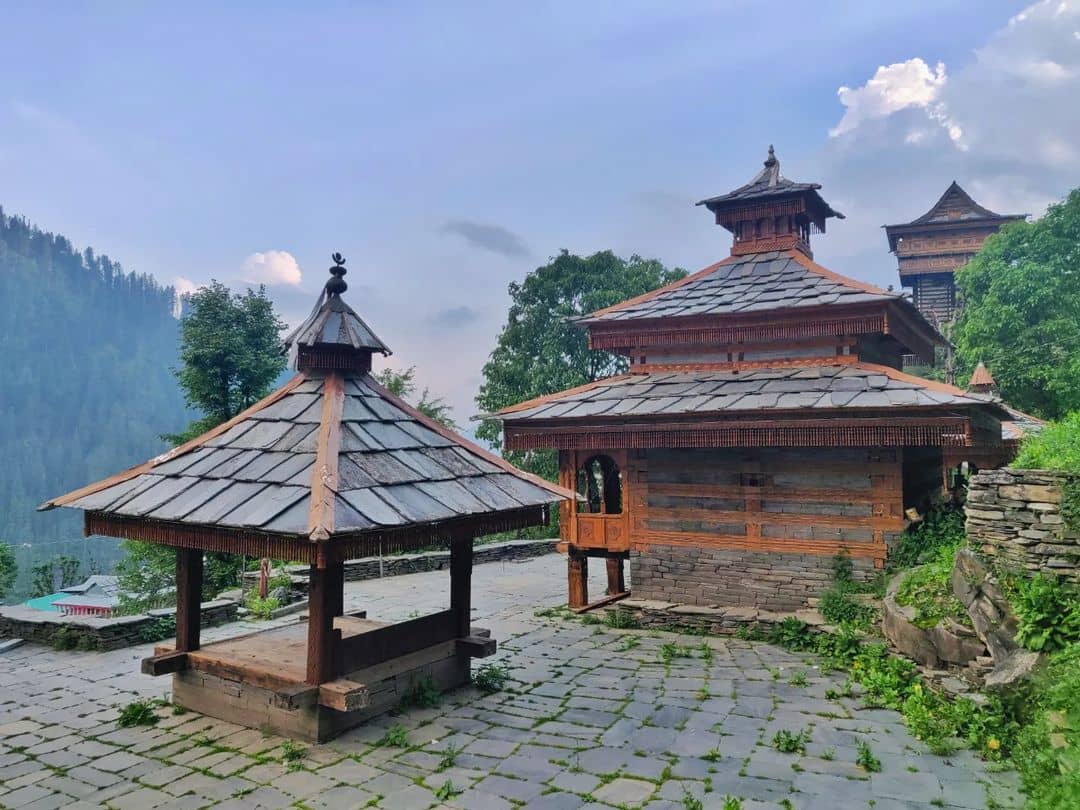
5. Exploring Kath-Kuni Culture: Many trekking routes are solely focused on wilderness areas; however, Buran Ghati begins and ends in active cultural museums. The villages of Janglik and Barua have Kath-Kuni architecture, which is an ancient building technique using interlocking wood and stone to create buildings that will remain standing after an earthquake and that doesn't use mortar. Trekking through these villages allows trekkers to experience the traditional way of life for local shepherds and farmers. Understanding the culture of the area brings additional meaning or soul to trekking in this region because these mountains have stood as a place of sacredness for a strong culture for thousands of years, rather than just as an opportunity for physical challenge.
The most unique part of this trek is the trail around Chandranahan Lake, which is located near where you will experience your last descent. The side trail to the seven holy glacial pools, created by a large waterfall, is a place of remarkable spiritual tranquillity. Moreover, rather than concluding the trek on a dry, dusty road, you will trek directly through an area of lush fruit trees including apple and peach trees in Barua. The trek from freezing, thin-air conditions on the pass to fragrant, sun-filled orchards is an experience that is completely unique to Buran Ghati.
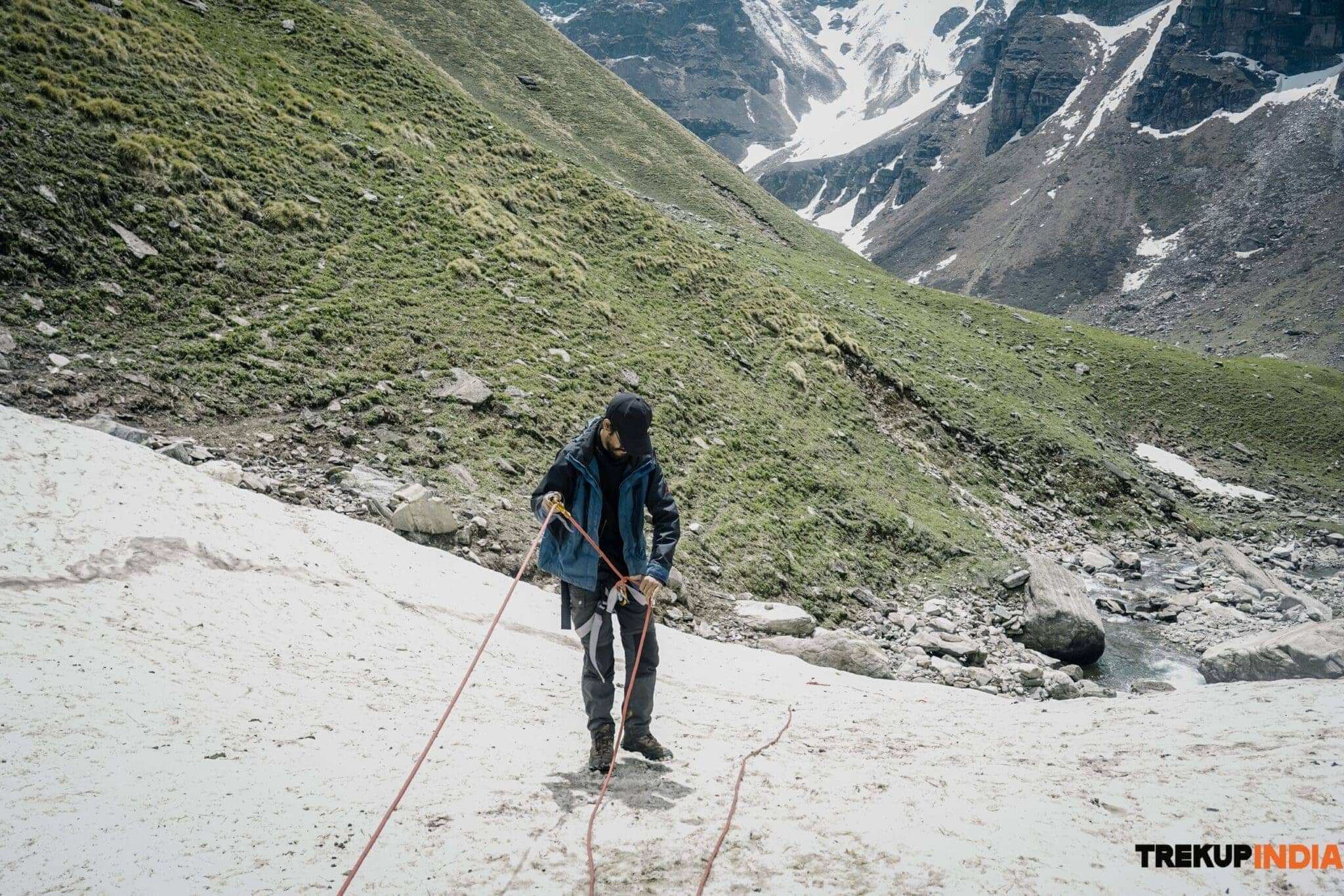
The Buran Ghati Trek is considered to be Moderate - Difficult (grade 3) and is ideal for those who are ready to take the next step up in difficulty from beginner treks. While your overall fitness level plays an important role, one great physical challenge will be trekking the steep ascent to the pass; however, the greatest adventure will come during the technical descent. Your descent will require you to navigate an almost perpendicular ice wall (snow wall) with the help of ropes and other safety gear, and you will experience adrenaline that cannot be matched in any ordinary trekking trails.

The trek has abundant plant and animal life. As you descend from higher elevations, you will pass through dense forests of Silver Oak, Blue Pine, and many varieties of Rhododendron. When you reach areas of lower elevation, flowering alpine plants and some rare species such as Brahma Kamal will be found near glaciers at much higher elevations. If you are fortunate, you may also be able to find Himalayan Monals (the state bird of Himachal Pradesh) or Himalayan griffons flying above the ridges, while valleys below you are filled with the fragrance of wild strawberries and apricot blossoms.
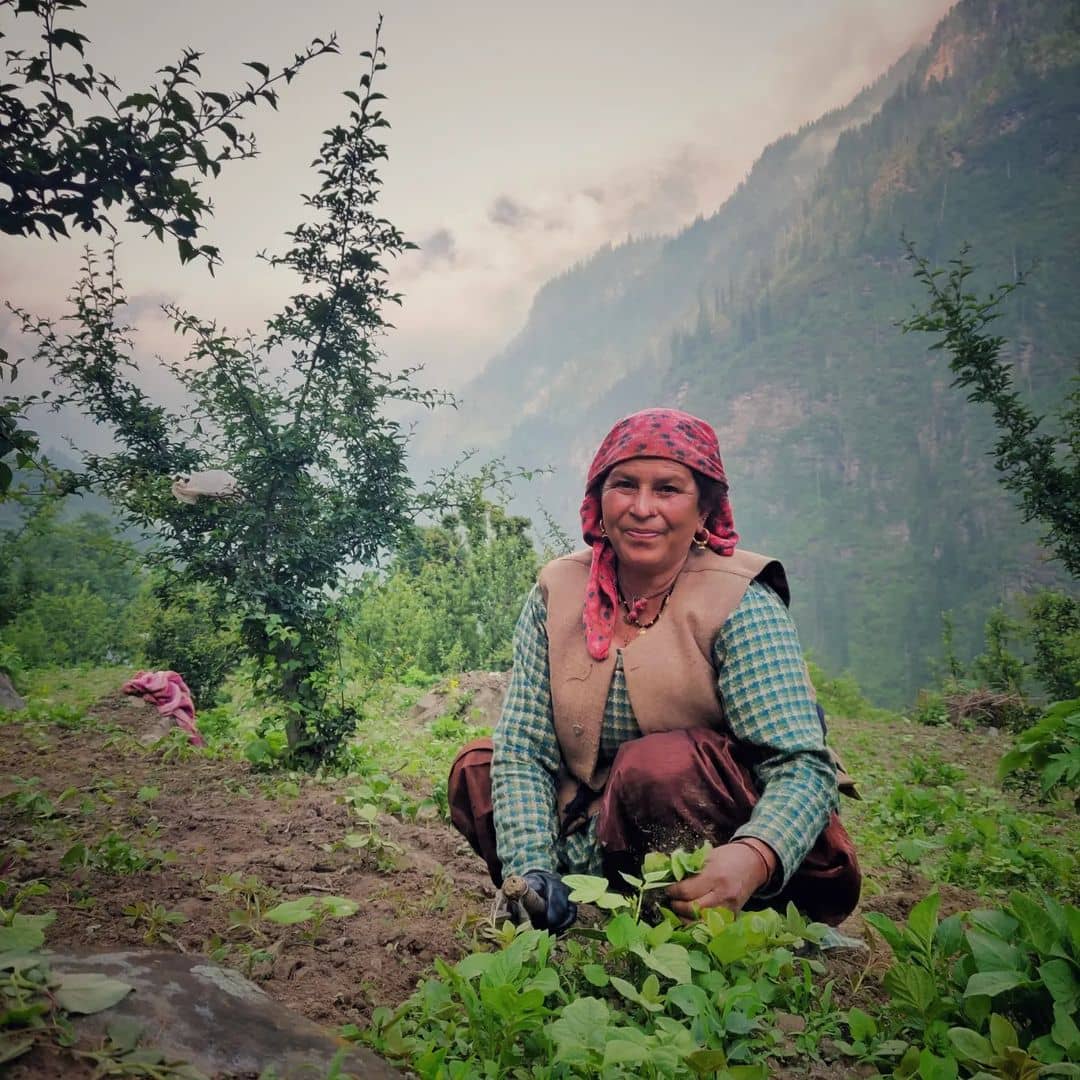
Unlike most remote wilderness experiences, Buran Ghati has a long history dating back thousands of years of culture through human interactions — which have continued over many generations. The area begins with the village of Janglik and ends in Barua which are both known for their highly specialized architecture called Kath-Kuni, or very old structures made from the interlocking of timber & stone; this style of architecture provides strength against the forces of nature, such as earthquakes. By trekking through the area, one has the opportunity to meet local shepherds and see first-hand the traditional way of life of Himachal Pradesh that has not changed in hundreds of years — providing you with another soul of the wilderness.

Buran Ghati is distinctively two-faced depending on when one treks the area.
When spring/summer arrives (June), the trail is blanketed in snow, providing many opportunities for musical play on the mountainside. The wall descent will propel you forward as you slide rapidly on snow or descend rapidly with ropes — and everyone will love it.
Autumn (Sept/Oct) - Once again, this area is so beautiful because of the clear, crisp blue-colored sky and the stunning mountains. As the snow melts away there will also be exciting sights through the changing colour of the beautiful vegetation. Many apple trees are heavier with fruit at the lower elevations during autumn.
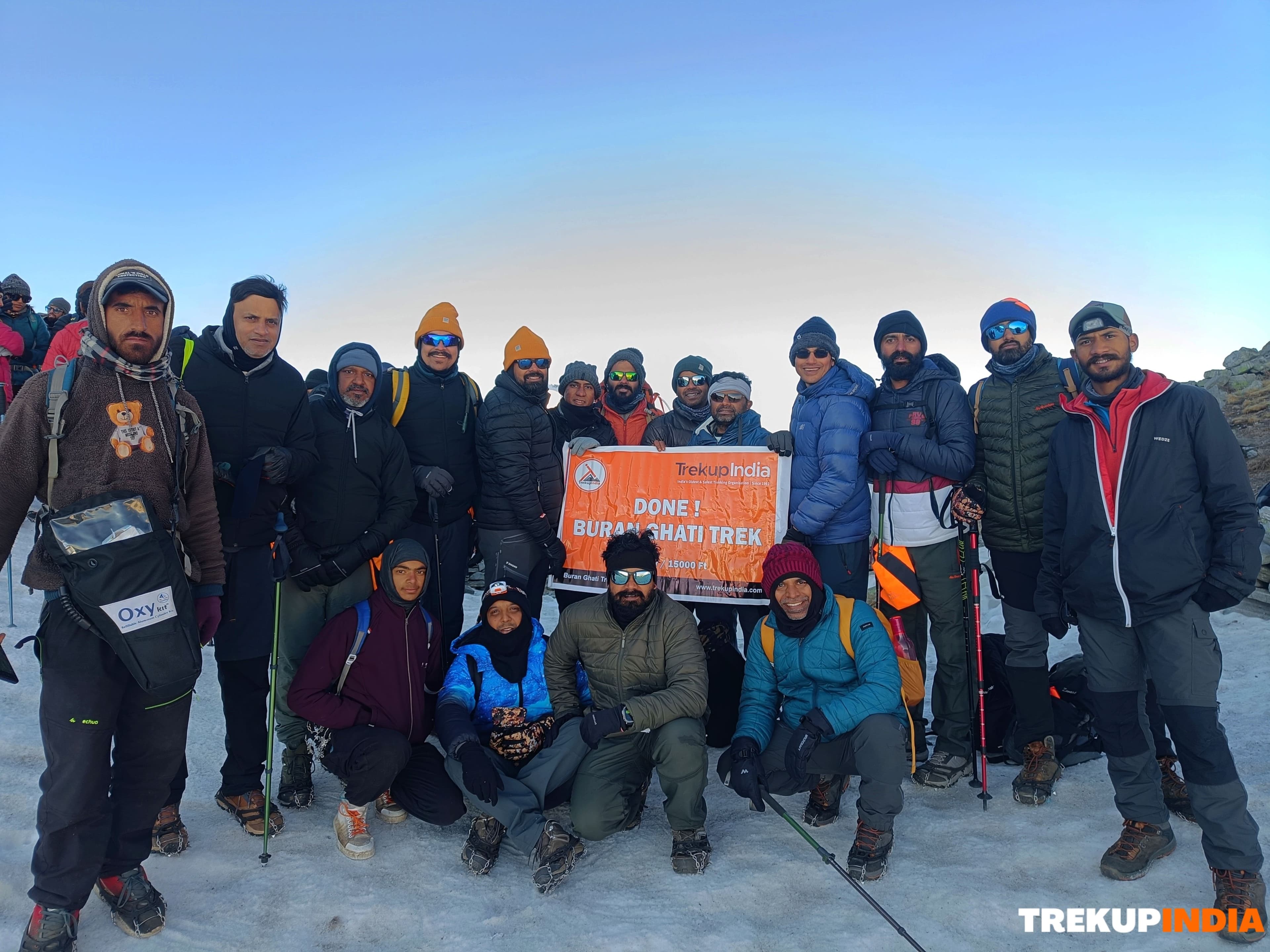
Being able to reach Buran Ghati Pass at 15,000 feet is both physically and emotionally the culmination of the trek journey. The summit isn't a peak like other mountain summits but a narrow ridge area making up the interface between two different worlds. Standing on this very narrow extremely sharp ridge area rewards the trekker with a complete panoramic view of all three sides of the magnificent Kinnaur kailash mountain range, with a tremendous feeling of accomplishment when you look back at the Pabbar Valley that you just accomplished trekking out of and then look down into the lush Sangla Valley that is awaiting on the opposite side.
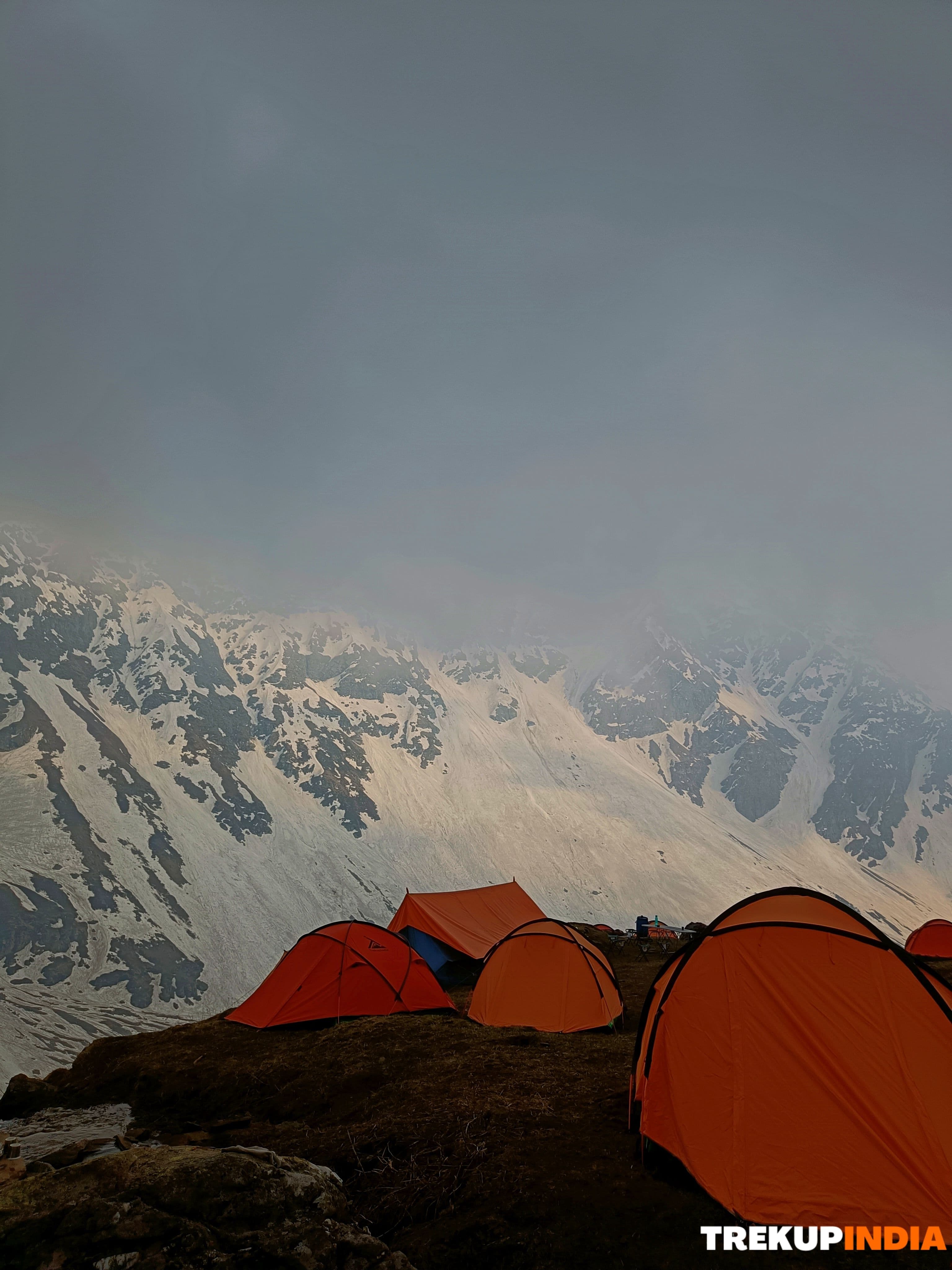
The trek can be referred to as the Grand Buffet Of Scenery because every day presents new scenes to admire. Starting in the lush moss-covered forests of Janglik that are similar to fairy tales, the trek then enters into the Dayara Meadows where rolling hills of green cover the landscape with high altitude grasslands believed by many to be among the most beautiful of their kind throughout India. Finally after traversing through the green hills of Dayara you cross over into the stark black mineral world of Dhunda with jagged black rock and large glacier covered peaks that create an otherworldly moon like landscape.