Maximum Altitude
18,200 ft.
Trek Duration
13 Night / 14 Days
Trek Distance
126 Km
Difficulty Level
Difficult
Start/End Point
Kathmandu, Nepal
Nearest Airport
Tribhuvan International Airport, Kathmandu
Best Season
Spring and Autumn
Accommodation
11 days stay in a teahouse & 2 days in a 3-star hotel.
Meals
Breakfast, lunch, and dinner
Permits
Forest Department & Trekking permit
Temperature
5°C to 12°C (day) ; Below -20°C (night)
Snow
December to February
The Everest Base Camp is an iconic high-altitude trek through the Khumbu region of Nepal and culminates at the foot of the world’s tallest mountain. The EBC trek begins with a legendary flight into the mountain airstrip at Lukla and is a 130 km round trek that takes you through a historic pilgrimage route that is located inside Sagarmatha National Park, which is a UNESCO World Heritage site, with stunning glacial moraines, deep gorges and towering 8,000 m peaks such as Lhotse and Cho Oyu. The EBC trek will mainly be a physical challenge but will also be a rich cultural experience in the heart of the Sherpa culture with visits to vibrant market towns like Namche Bazaar, colourful prayer flag covered suspension bridges and ancient Buddhist monasteries such as Tengboche. Although the trek is considered with no specific technical trekking equipment required, it will be a physically demanding trek due to the rocky/uneven terrain and the need for a strong level of endurance. The biggest hurdle that you will face on the EBC trek will be the impact of thin air on your body physiologically; oxygen levels at Base Camp will be just under 50% of sea level oxygen levels. Thus, the EBC trek will require a slow and controlled pace along with an appropriate number of acclimatization days to allow for appropriate bodily conditioning. Most of the trek culminated in crossing the moving ice of Khumbu Glacier and finally arriving at the famous Base Camp, then watching the sun come up while trekking to the summit of Kala Patthar (5,545 m) and having an unobstructed, close-up view of the Summit of Mount Everest sparkling in the clear blue sky above Nepal.
1. Proximity to Vertical Greatness
The EBC's primary specialty is to take you near to, or right at the base of some of the tallest peaks on earth by taking you into an altitude-rich Colosseum style area of the planet, where many mountain treks will allow you to view a peak only from some distance away from its actual base.
2. Sherpa’s Cultural Backbone
The Khumbu (Everest) region is known for its Tibetan Buddhism and serves as a sanctuary for the Tibetan Buddhist faith at very high altitude. The hike itself is a spiritual journey as much as it is a physical journey.
3. The Teahouse Infrastructure
One of the remarkable aspects of trekking in the Nepal Himalayas is the teahouse culture that provides a unique way to trek from village to village in an extremely difficult environment.
4. The Gateway: Tenzing-Hillary Airport (Lukla)
The experience can often be described as having one of the most exciting 35 minutes that you will ever travel in your whole life.
5. The Physiological Transition
The trek to Everest Base Camp (EBC) teaches people how to adapt to changing environments; the oxygen available at Base Camp is only half as much as what is available at sea level, and therefore, the trek will create a unique change in both your body and mind.
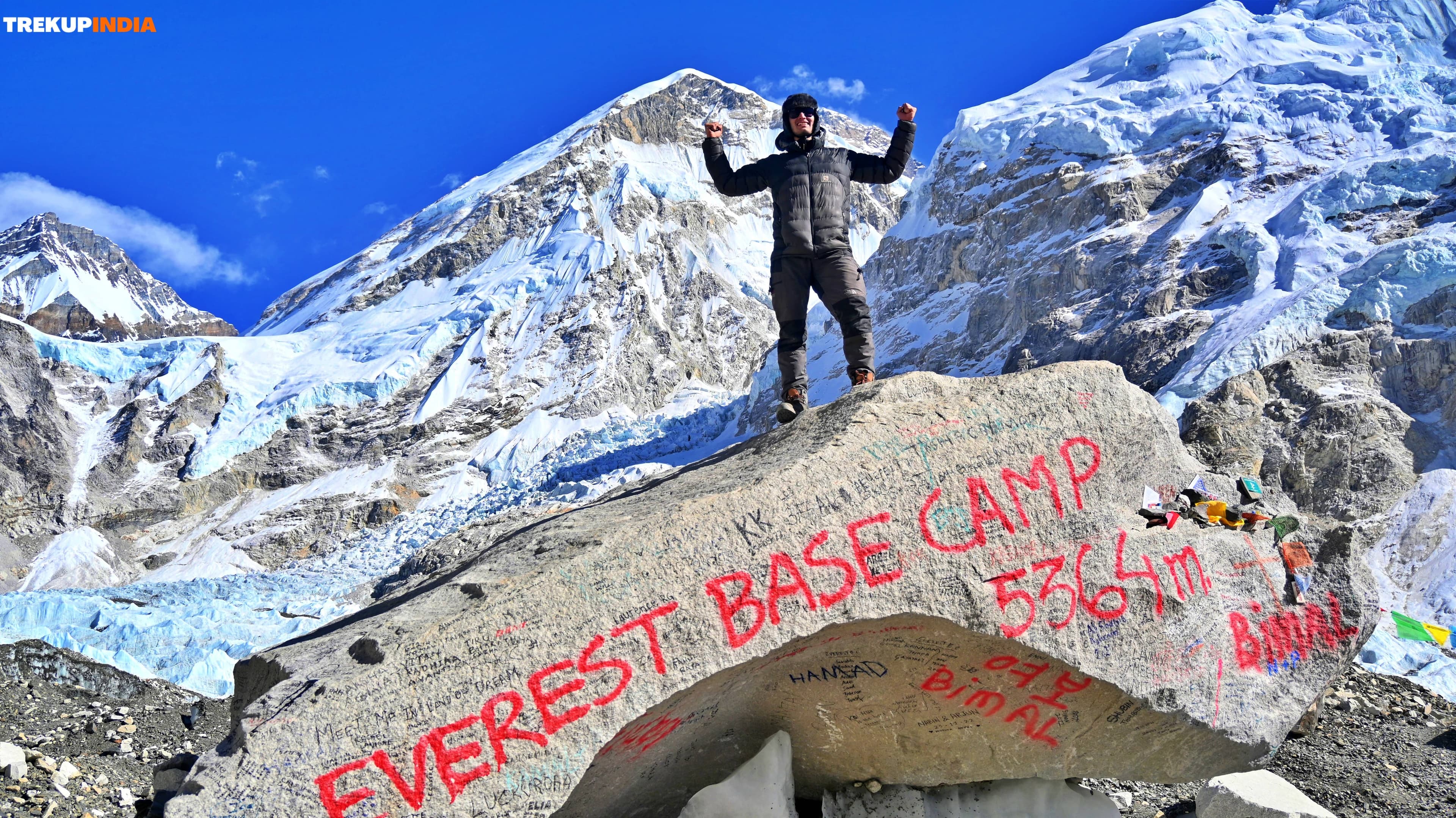
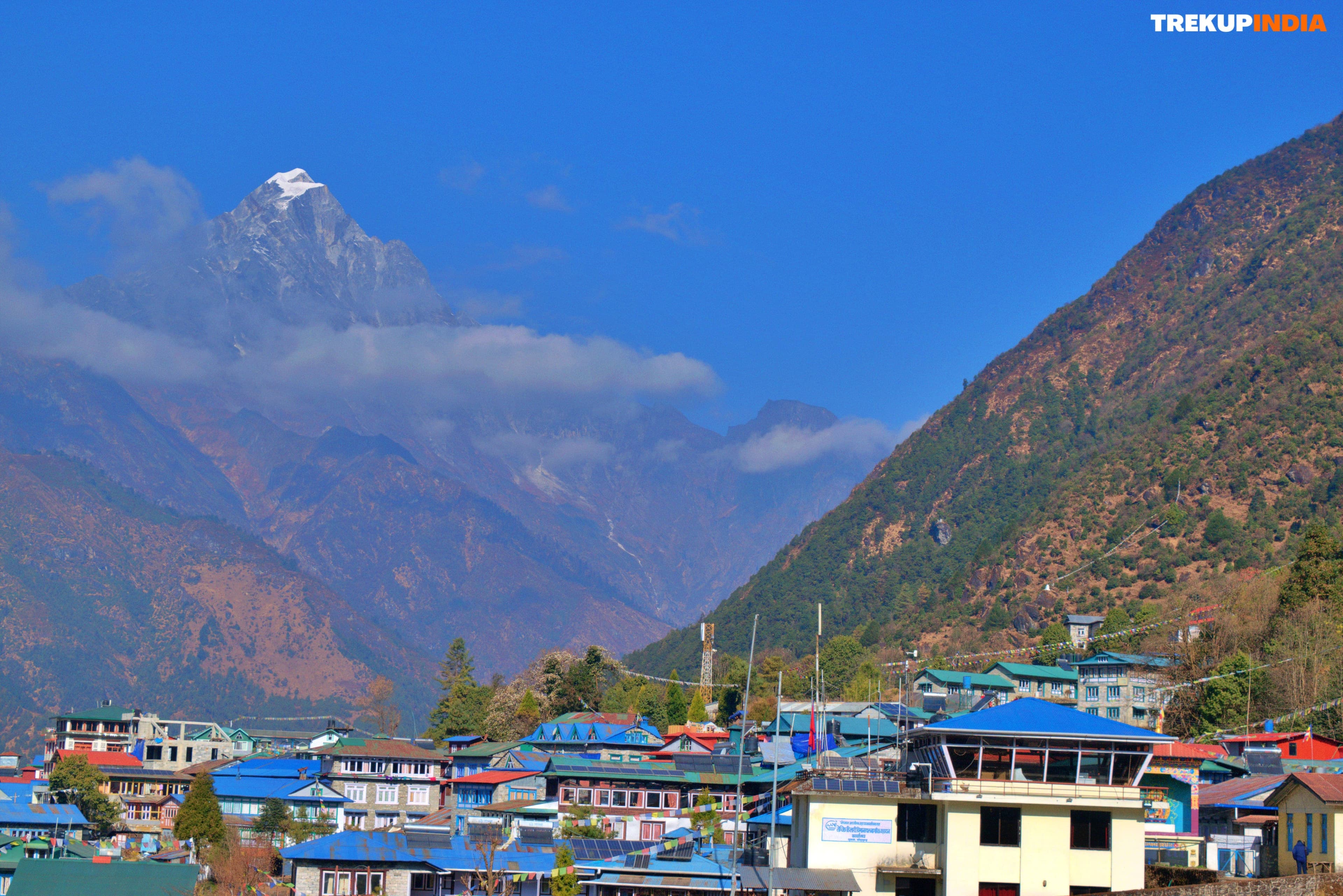
Three unique logistical and physical features define the Everest Base Camp trekking and make this trek a world-class adventure. The first feature is the adrenaline from the high altitude and the subsequent high-precision flight into Lukla's Tenzing-Hillary Airport, which has a short runway of 12% gradient and a landing point at an elevation of 2,845 meters. The second feature poses a technical problem for trekkers as they arrive at the end of the trek with a view of the Khumbu Icefall, one of the highest glaciers in the world, where there are a variety of various ice block formations (seracs) that are constantly changing position. Lastly, for trekkers to form an international community that is connected with each other through their own unique experiences and cultural background, the Teahouse Fellowship allows them to gather in community lodges powered by burning yak dung in the heaters and share stories regarding the trekking experience in the Khumbu at a high altitude.
The EBC trek is considered a very strenuous high-altitude trek; although it is a teahouse trek that utilizes local mountain lodges for accommodations, the difficulty lies within the hypoxic environment (thin air) rather than technical trekking. Trekkers complete 5 - 7 hours of sustained trekking each day, covering poor quality trails over uneven, rocky moraine and /or steep grades. The level of success on this trek requires a high level of cardiovascular fitness and an established and rigid program of acclimatization in order for the body to accommodate the much lower barometric pressure at altitudes greater than 5,000 meters.
The trek to Everest Base Camp is a UNESCO World Heritage Site and is an ecosystem of rare Himalayan flora and fauna. Even in the lush, lower regions of the trek, which is covered by a thick canopy of trees, you may see the dazzling Nepalese national bird called the Himalayan Monal (an iridescent bird) as well as shy Musk Deer. As you ascend, you will encounter an environment that is becoming increasingly difficult to survive in, as the air thins out and you begin to enter a land of hardy alpine mosses and small shrubs. At this altitude, you can expect to see the impressive Himalayan Tahr (a wild goat), but if you are extremely lucky, you may encounter the very elusive Snow Leopard, which is referred to as the ghost of the mountains, as it stalks around the steep cliffs of the mountains.
This trekking will be both completions of spirit and body; you’ll trek through Namche Bazaar (the historic and vibrant Sherpa capital of Mt.) to the Tenboche Monastery (where Sherpas go when they want to find peace of mind in holy places), so you’ll have a very spiritual circuit trail comprising Mani walls (Hand-carved Buddhist prayer stones), ancient Stupas (Hindu burial mounds) and spinning Prayer Wheels (pedestals that rotate due to wind). The colourful fabric and shape of the prayer flags create windchimes that convey blessings from noble sages for all beings.
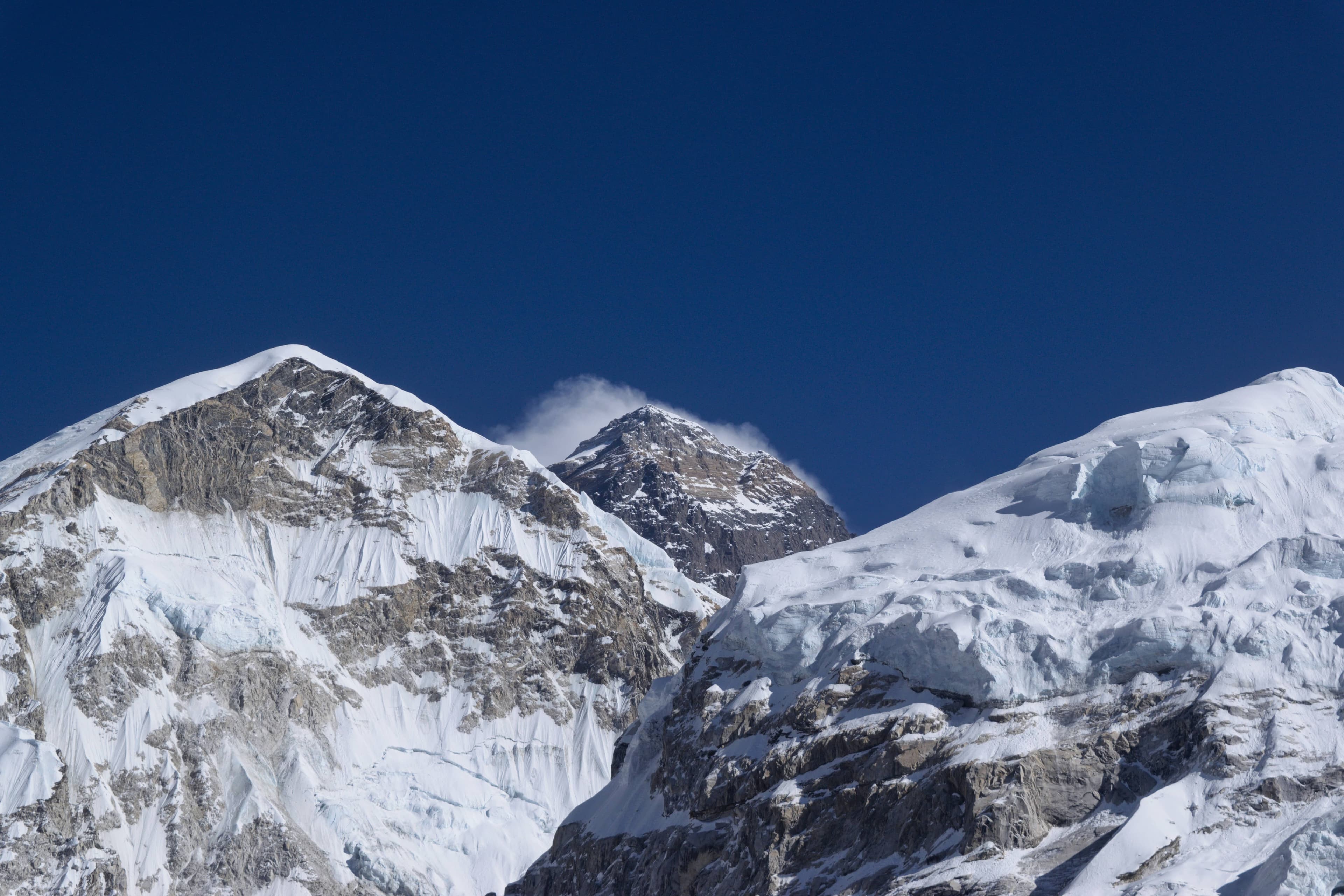
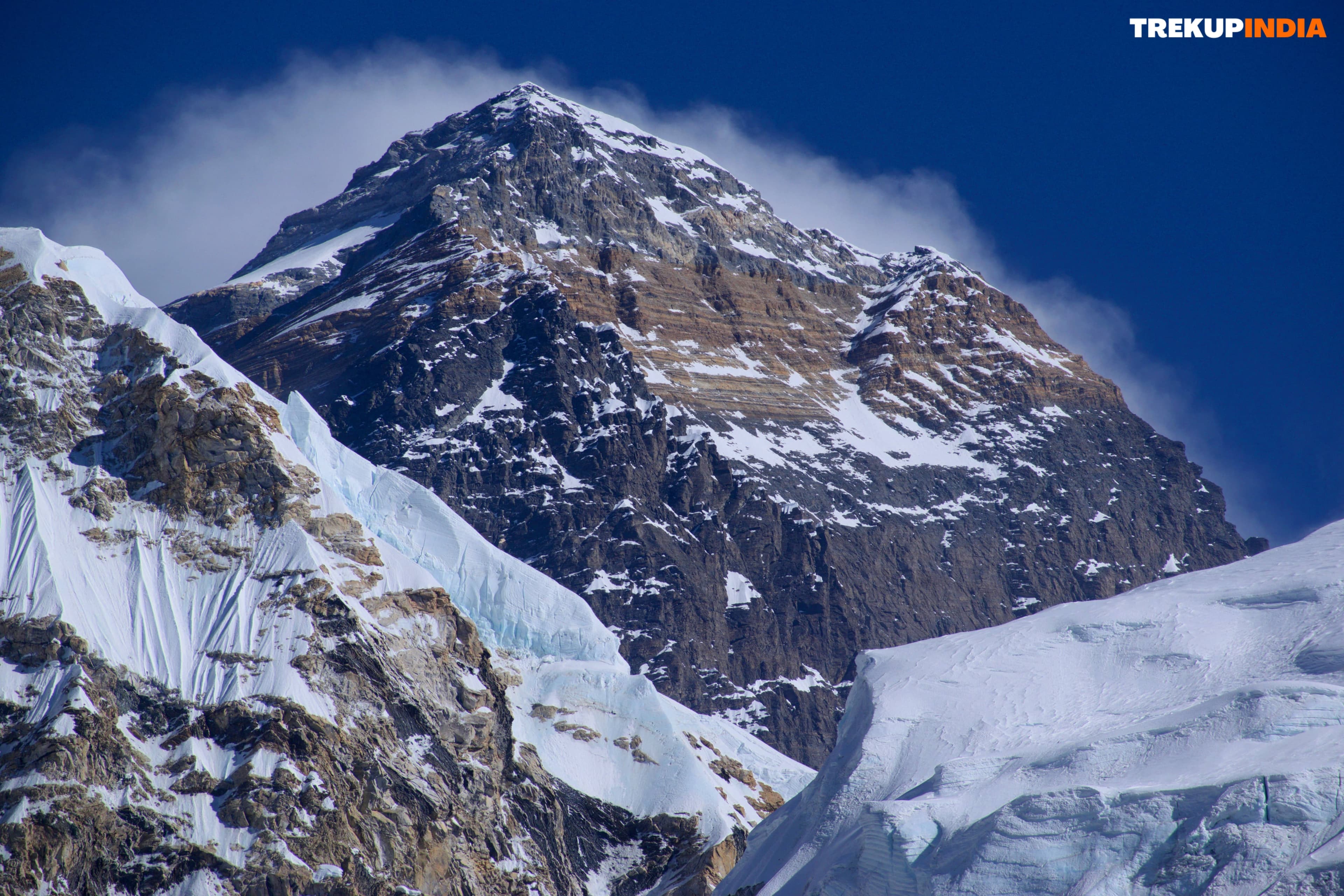
The final destination of the trek is Everest Base Camp; however, the highest peak of the Himalayas is visible only from Kala Patthar. Therefore, once you reach the summit of Kala Patthar, you are able to behold the world's highest mountain from the summit of a windswept rock during either sunrise or sunset. As you look over from the rocky summit of Kala Patthar, it’s impossible not to appreciate the massive might of the Himalayas. From this position high above the planet it is possible to actually view the jet stream which is just normal wind blasting away the white summit of Mount Everest. The white plumes against a blue sky serve as a fantastic reminder of how wild and powerful the tallest mountain on planet Earth continues to be.
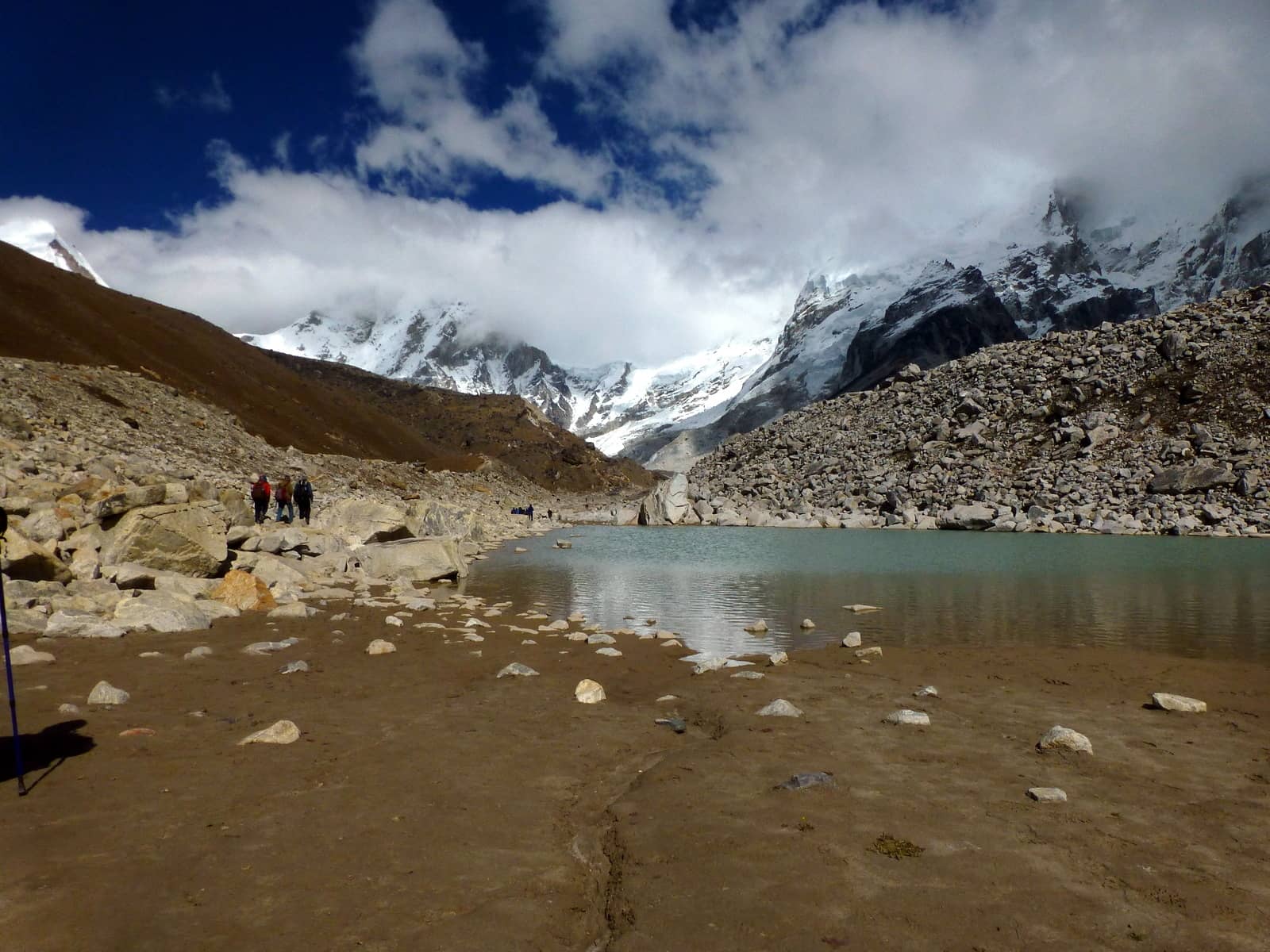
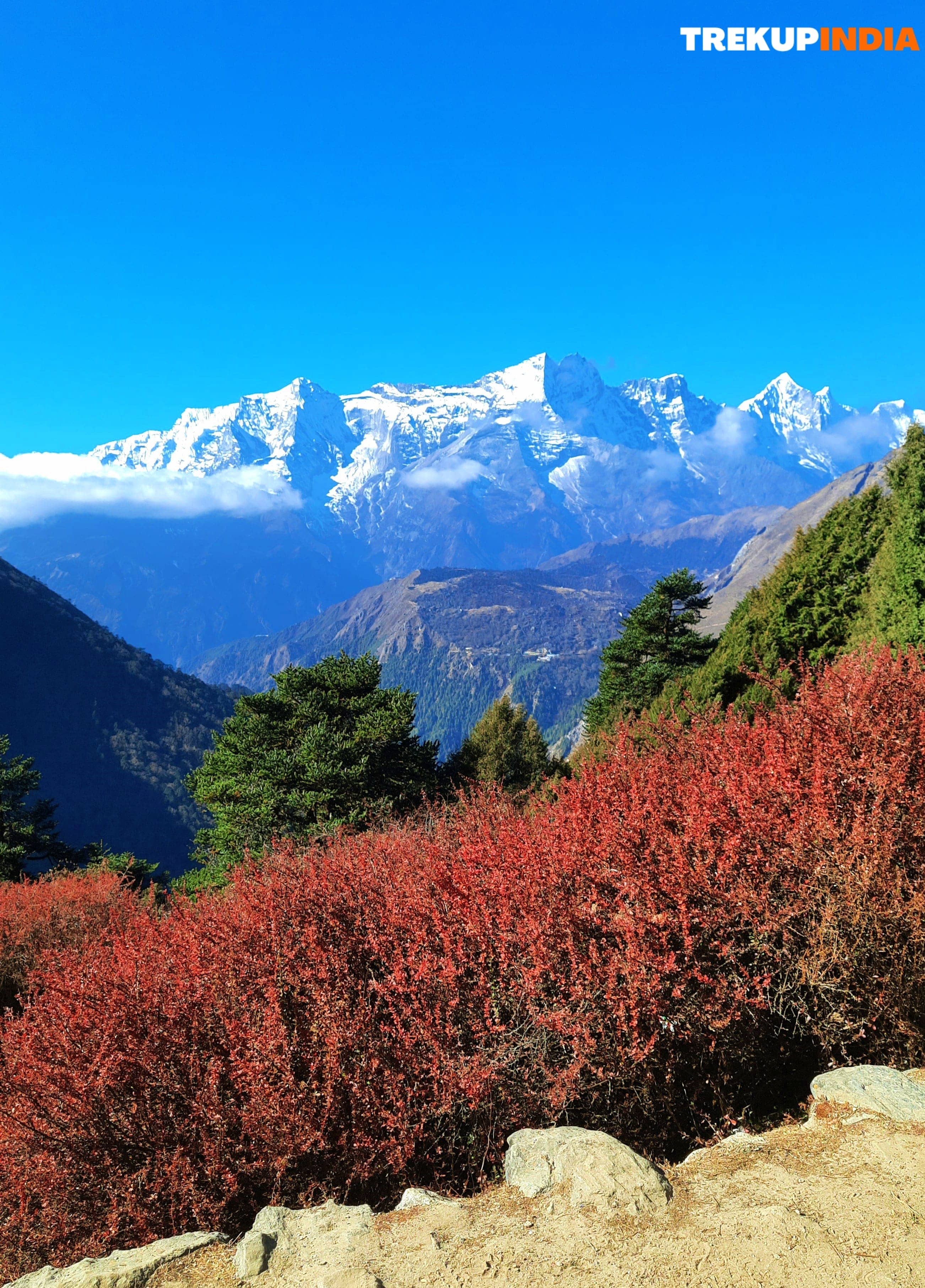
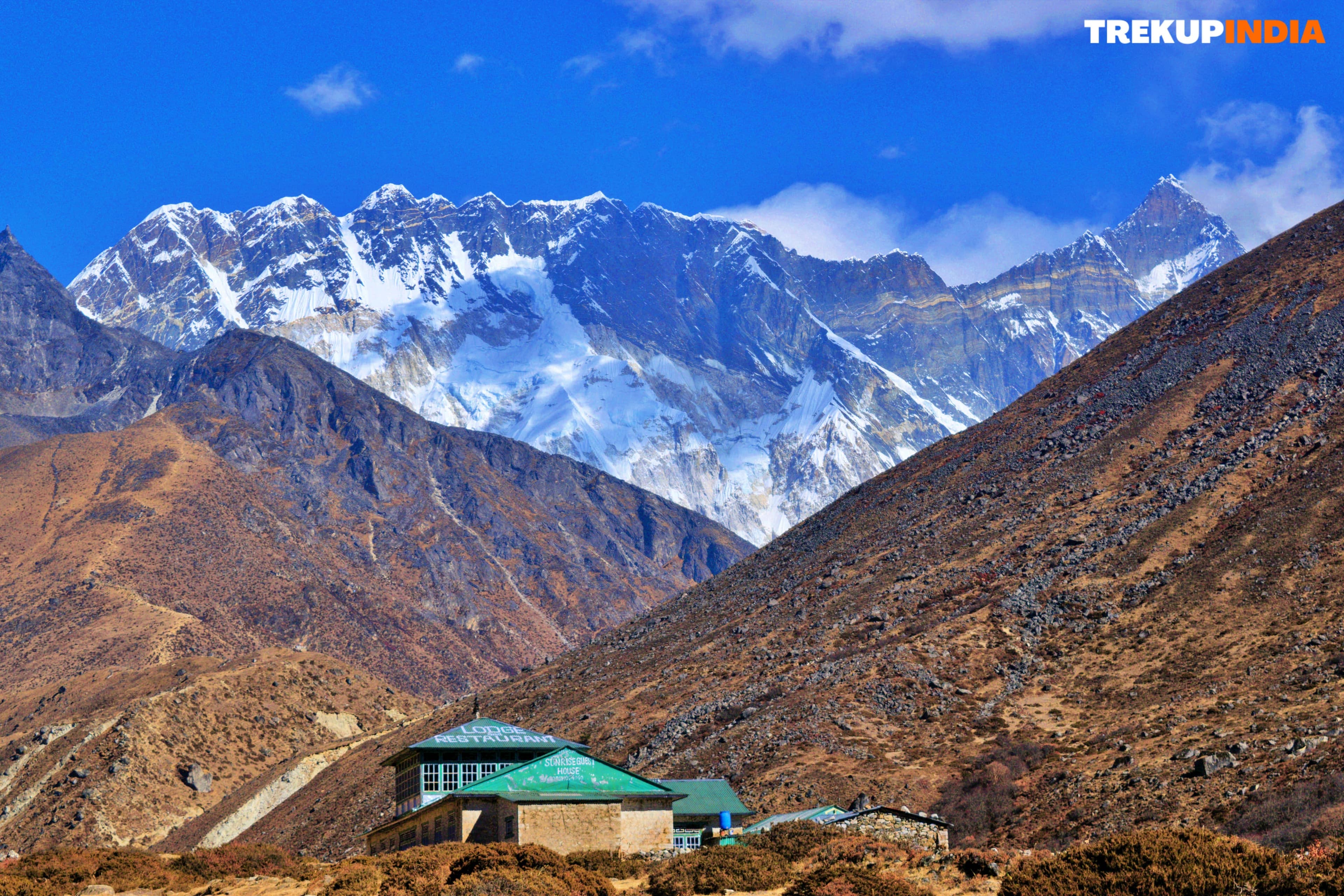
The geological transition experienced at the trekking is nothing short of stunning. It starts with the lower Solu-Khumbu's terraced farmlands and tropical temperate forests and rises into the alpine tundra and barren, lunar-like high Himalayas. One will be able to see themselves standing at the edge of the Khumbu Glacier (the world's highest glacier) within a true cathedral of giants. This cathedral of giants is the three monolithic mountains of Lhotse's south face, Nuptse's jagged ridge, and Ama Dablam (often cited as the world's most beautiful mountain) that sculpt the skyline.