Maximum Altitude
15,100 ft.
Trek Duration
10 Night / 11 Days
Trek Distance
87 Km
Difficulty Level
Moderate to difficult
Start/End Point
New Jalpaiguri
Nearest Airport
Bagdogra International Airport, West Bengal
Best Season
Spring and Autumn
Accommodation
10 Night at the campsite
Meals
Breakfast, lunch, and dinner
Permits
Forest Department & Trekking permit
Temperature
15°C to 22°C (day) ; 0°C to - 15°C (night)
Snow
December to February
The Goechala Trek is a definitive high altitude trek, and it is located in West Sikkim. It is also the only way to get to the southeast face of Mount Kanchenjunga (8,586m). The trek starts at Yuksom (5,840 ft) which is the capital city of the kingdom of Sikkim from the 17th century, and takes you inside Khangchendzonga National Park, a World Heritage Site. The park is a UNESCO World Heritage Site for its mixed natural and cultural heritage and has been designated as such because it contains both types of heritage. This trek has a dramatic vertical sweep from humid subtropical forests and a dense canopy of 36 species of flowering Rhododendrons, to a stark and cinematic alpine landscape of glacial moraines and the sacred Samiti Lake (14,200 ft). Due to the area's strict environmental zoning and local deity protection, the highest legal point on the trek is currently Viewpoint 1 (15,100 ft). At this vantage point, a trekker will be able to view the famous Alpenglow, which causes the entire Kanchenjunga mountain range and the valleys below to glow in the vivid reds of fiery lava while the valleys are cast in darkness. The entire trek is about 87 km and requires exceptional physical and mental endurance; however, you will be able to stand at a very close distance from Mount Kanchenjunga, the third highest mountain in the world, which will give you a feeling of solitude and greatness, unlike anything else in the Himalayas.
The Goechala trek has an incredibly unique and important place in history and needs to have a special attention paid toward the unique geography of Eastern Himalayas as it is different from the common treks that can be found in Nepal or Himachal Pradesh with regards to their geography. Below are just a few serious factors that make this trek different from the others.
1. The epic proximity to the Kanchenjunga Massif: Trekkers can expect to experience the magnificence of the Goechala Trek through its theatre-like mountain vistas. Trekking to View Point 1 (15,100 ft.) provides trekkers an unobstructed head-on view of the southeast face of Mt. Kanchenjunga (8,586 metres). Trekkers along the Everest Base Camp route may not see the summit of Everest as it is often obscured by the Nuptse ridge, while at Goechala you are right in the centre of the massive horseshoe-shaped amphitheatre. You are completely dwarfed by a vertical ice and rock wall that includes Mt. Pandim (6,691 metres), Kabru South (7,318 metres) and Simvo (6,812 metres). This positioning provides the most remarkable verticality found anywhere in India.
2. The UNESCO Biodiversity: The entire route of the Goechala Trek is located in Khangchendzonga National Park (KNP), which is one of the world's few mixed World Heritage Sites, due to its natural and cultural values. KNP's protection offers trekkers a totally pure ecological transition that few trekking trails can provide. Beginning at the humid subtropical Yuksom (5,840 ft.) base you will trek to the ancient oak, chestnut and gumtree forests - some being over 200 years old. As you ascend and the oxygen becomes thinner, you will enter the legendary rhododendron and magnolia forests (more than 36 different species) and finally ascend into the barren and surreal beauty of the high-altitude alpine meadows.
3. The Alpenglow Phenomenon: In terms of geography, KNP is strategically located within one of the most breathtaking natural features of the earth - alpenglow - where this area of the KNP serves as the main staging ground for two different treks that begin before daybreak — Dzongri Top (13,675 ft) and Dzongri Top Ending Point. Since the Kanchenjunga range sits directly in front of the first rays of the sun rising into the sky, while the valleys below are still covered in darkness, all of the snow covered peaks at Kanchenjunga are brought alive like fire. In just a matter of minutes, the entire Kanchenjunga massif will be transformed into an enormous golden pillar. This instant will always remain as one of the shining moments for all trekker’s while trekking the KNP.
4. The Hydrology of Samiti Lake: A Sacred Body of Water Samiti Lake, located directly beneath Mt. Pandim (14,200ft), is a vibrant, blue glacial lake that serves as the spiritual centre of your trek. As such, both the Bhutia and Lepcha people consider this lake a holy place and, therefore, the Forest Department has placed an absolute prohibition against camping near Samiti Lake to ensure its sanctuary is maintained in its original, untouched state. Consequently, Samiti Lake remains pristine by virtue of its ability to reflect the jagged ridges of its neighbouring mountains with absolute precision on a clear day.
5. Environmental Zoning and Protected Habitats: Today’s experience on the Goechala trek distinguishes itself by the Goechala commitment to conservation. Access to the View Point 3 (the actual Goecha La Pass) has been confined; to protect the delicate ecosystems at high altitudes, such as the habitats of the Snow Leopard and Red Panda. This regulation serves two purposes: to preserve the oxidized (i.e., sensitive) ecosystems and to respect the religious tradition that claims the mountain is a living spiritual being. The Responsible Mountaineering emphasis, then, encourages trekkers to seek a transcendent, visual expedition experience with the peaks; in this instance, it is not about conquering the Goechala Pass, experiencing a visual connection with the peaks themselves.
6. The Historical Gateway of Yuksom: The entire trek is steeped in the deep history of the Chogyal Kings of Sikkim and started and ended at Yuksom, the original capital of Sikkim (established 1642) and the site of the first King of Sikkim's coronation at Norbugang. Before even stepping onto the trail, all trekkers have the opportunity to visit the Norbugang Coronation Throne. The trail that is followed by the trekkers (ancient supply routes) has been trekked by the Sikkimese royalty for centuries, as well as by the early European trekkers, like Douglas Freshfield, who trekked the Goechala in 1860; thus this trail is a living window into the history of the Himalayas.
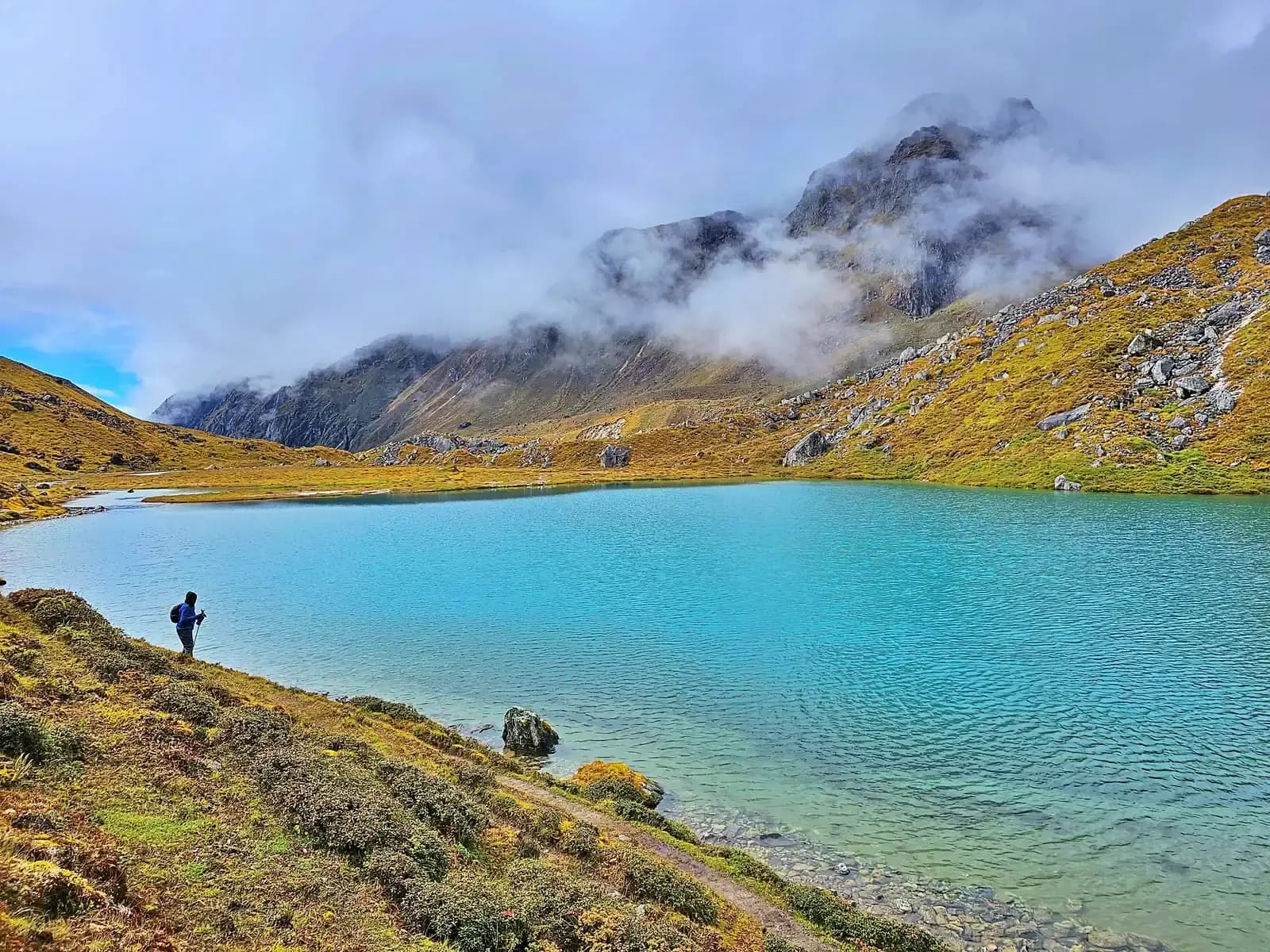
The main unique phenomenon is the Alpenglow, where the morning sun bathes the Kanchenjunga massif in molten red while the valleys below are shrouded with deep blue. The other equally strange and surreal phenomenon is the stillness of the sacred Samiti Lake (14,200 ft); due to being sheltered from the wind by the ridges of Mt. Pandim, the lake often has a perfect reflection, making the mountains in the water look as real as the mountains in the sky. Finally, due to lack of light pollution at Lamuney, the Milky Way is visible as a dense, glowing band of stars appearing close enough to touch while camping.
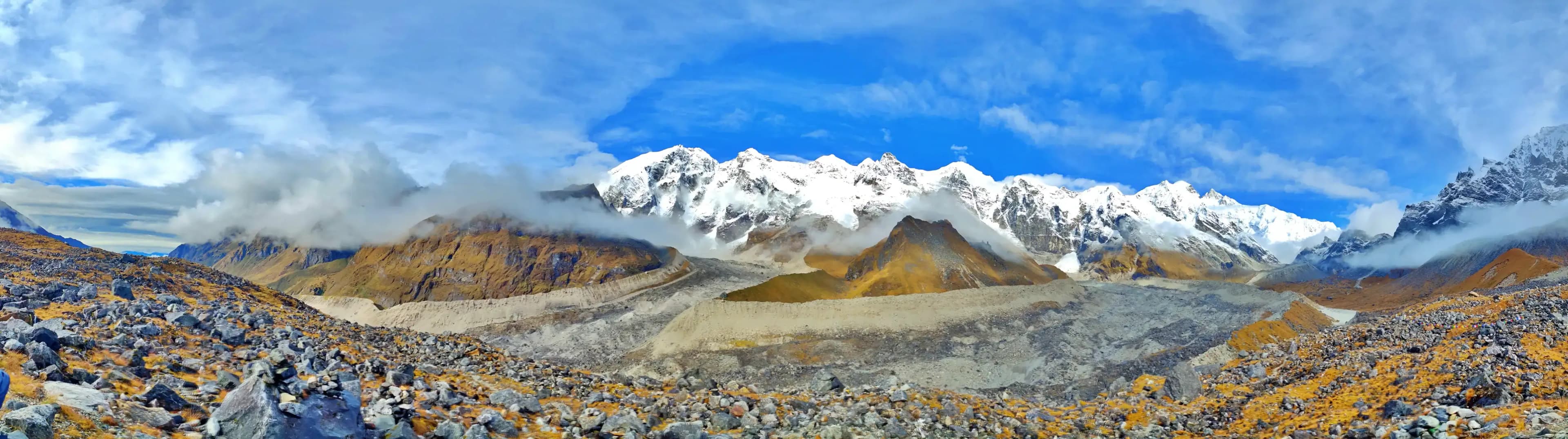
Hard, this long-distance run of 87 km will challenge the strength of the body and the resolve of the mind. Much of this section treks quickly from an altitude of 5,840 ft to more than 13,000 ft over a two day period, so you need to acclimatize to avoid getting AMS. The summit attempt starts around 3:00 AM in very cold weather (often as low as -15°C), where you'll have to maneuver through frozen, rocky moraines while using a headlamp before completing a punishing 12-hour work day with knee-breaking descents on the way back.
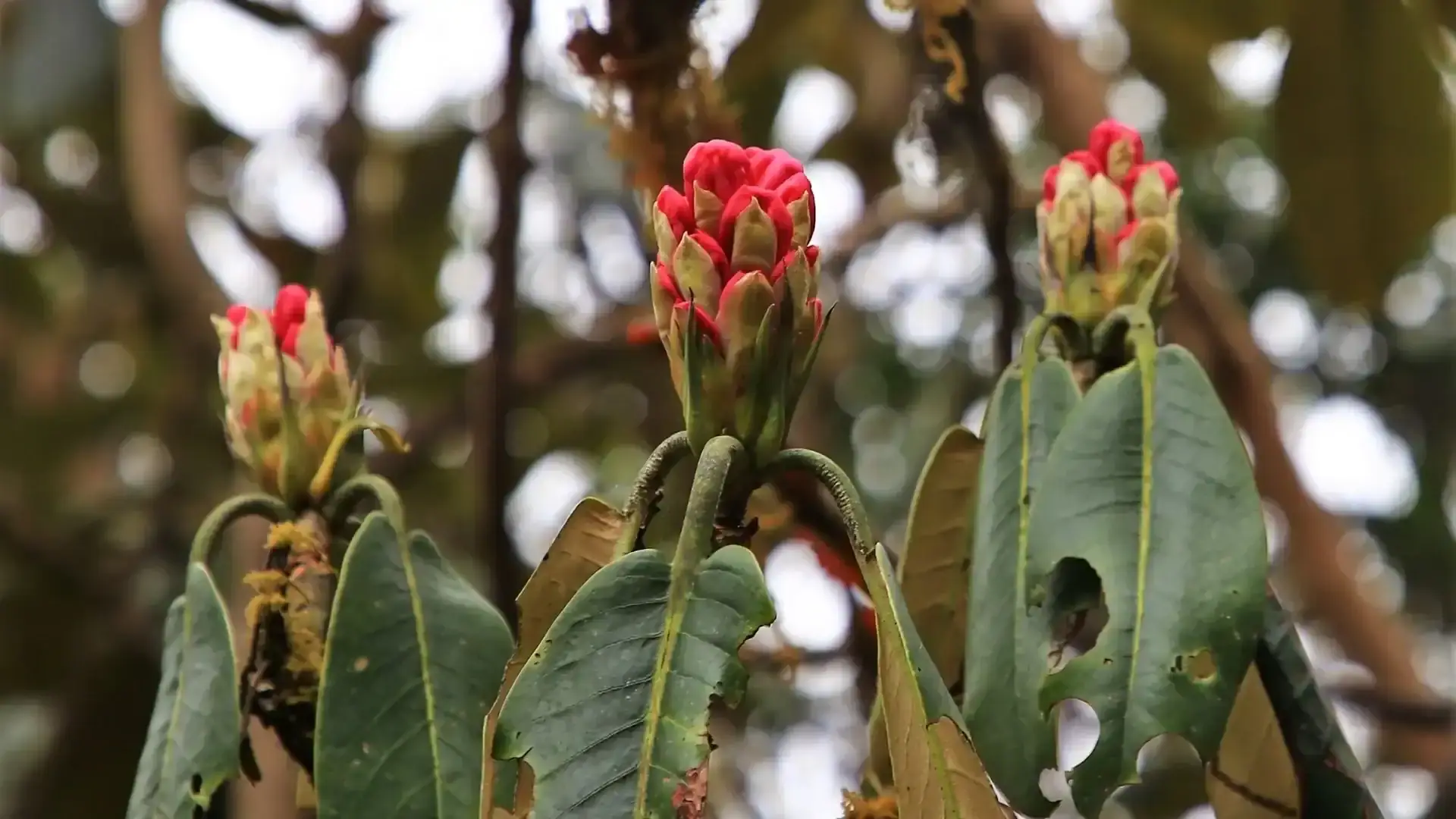
Within Khangchendzonga National Park (a UNESCO Mixed Heritage Site) there exists a globally significant biodiversity of flora and fauna. The lowest zone consists of rainforests with rare orchids and giant magnolias, while the upper elevations serve to provide a habitat for a protected population of the Snow Leopard (known as the Ghost of the Mountains) and for the elusive Red Panda. Trekkers will also likely see Blood Pheasants (the State Bird of Sikkim) and Himalayan Monals with their iridescent plumage contrasting against some of the rare high elevation flora such as the Himalayan Blue Poppy and Snow Lotus (also known as White Lotus).
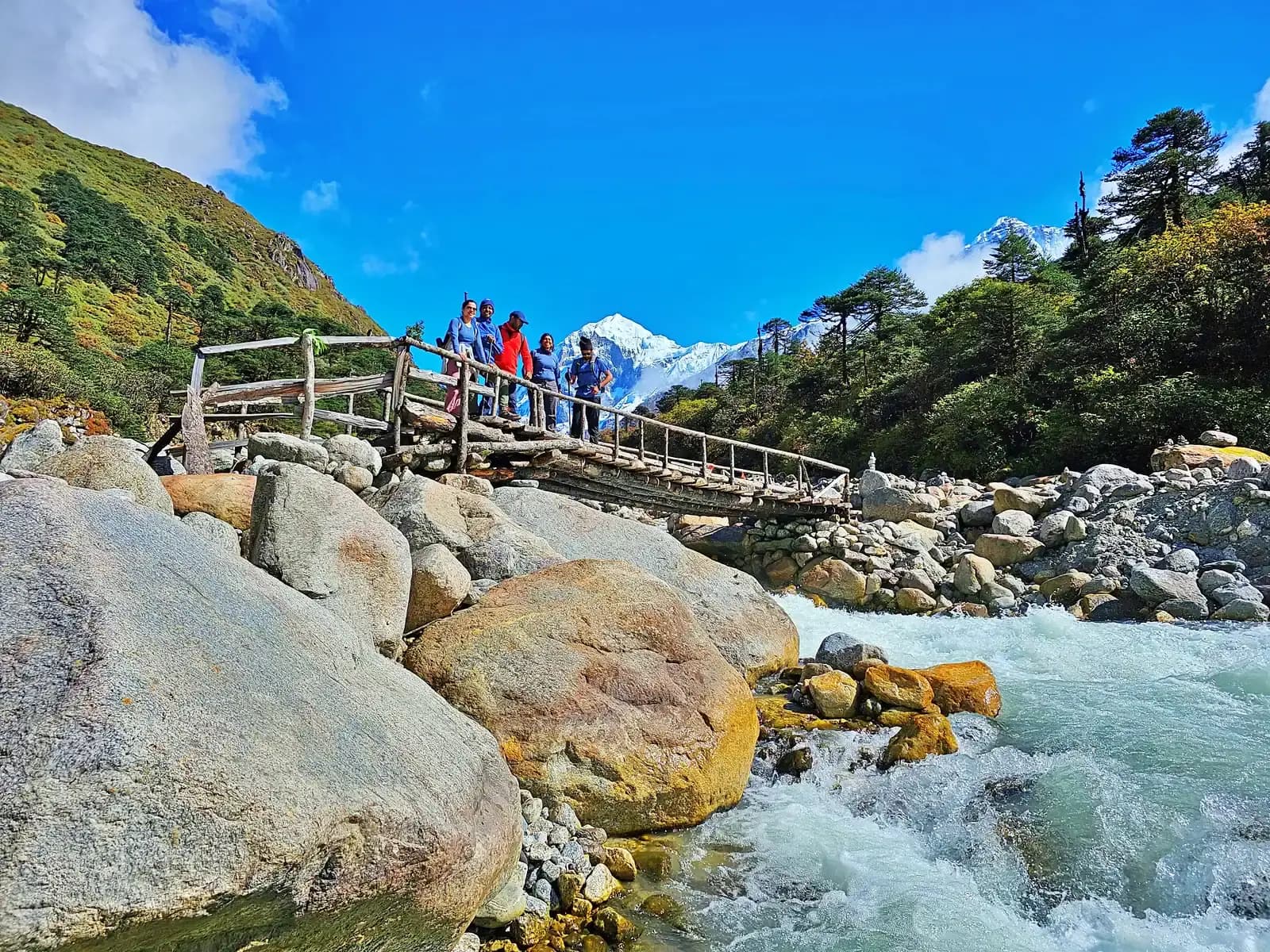
The trek has strong links to the historical and cultural significance of the Beyul Demazong. This region is known as the hidden valley of rice and from here you can follow the pathway of the first King of Sikkim (Chogyal) back to Yuksom where he was crowned on the Norbugang Coronation Throne. As you trek the Bhutia and Lepcha guides will show you the meaning of each mountain as it is known to be the home of a guardian deity; they will often burn juniper incense (Sang) as an offering to the mountain gods as they trek through this sacred area. Once you reach Tshoka you will know you are entering the wilderness as it contains a small monastery with prayer flags acting as a consecration of the area for those who will later visit.
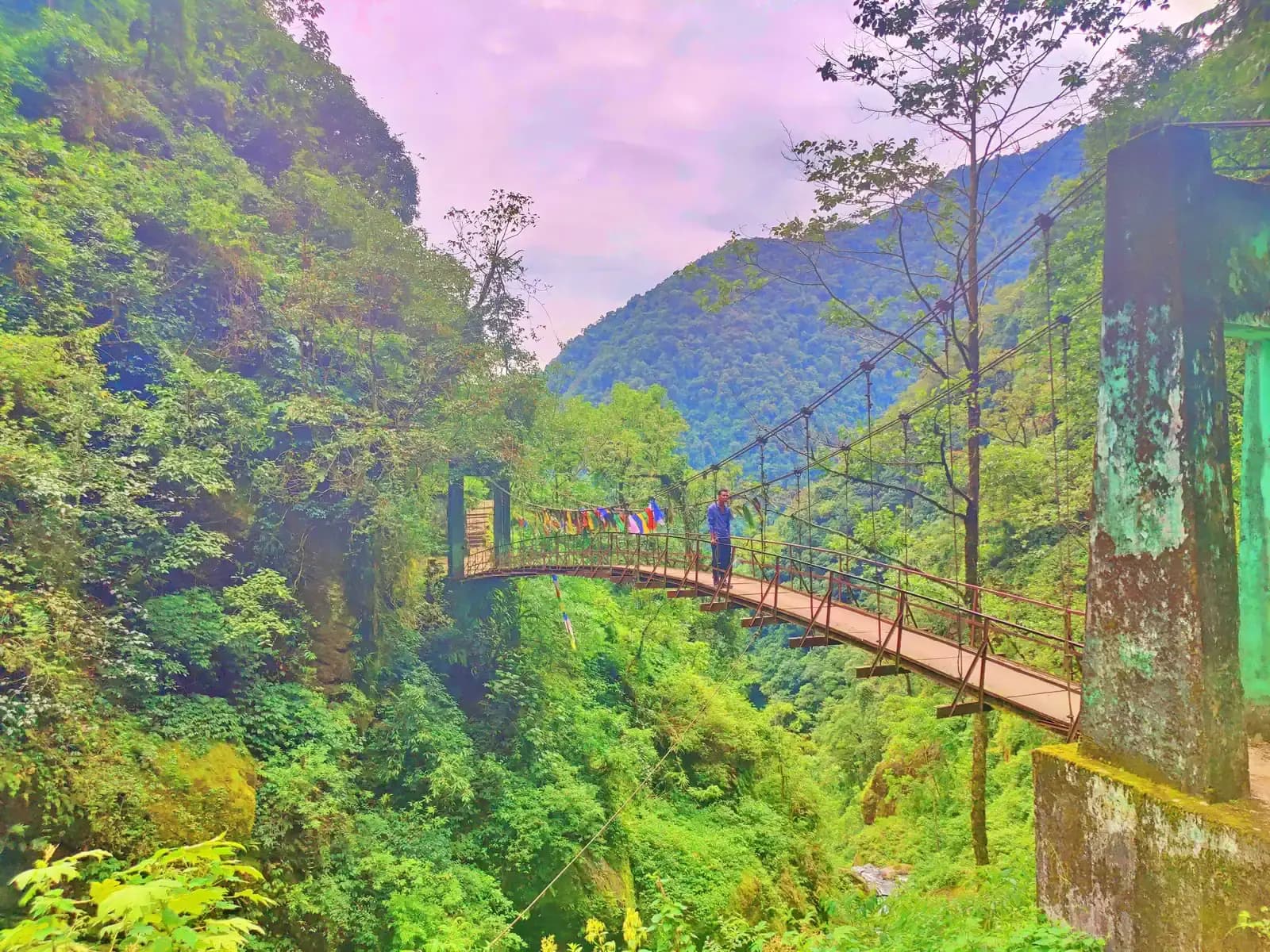
The two different trekking seasons have completely different visual experiences to offer. Spring (April-May): has been named officially as the season of Rhododendron Symphony, and throughout this period the path becomes a corridor lined with scarlet, pink, and white flowers as all 36 different hybrids/breeds of Rhododendrons bloom at one time.
Autumn (October - November): is preferred by photographers because it has surgical clarity. The air in the post-monsoon is so clear, due to the fact that after the monsoonal seasonal rains there is no longer any fine dust in the atmosphere; therefore, creating the potential for the clearest visibility that could possibly exist between the jagged ridges and crystalline tips of the snow-covered mountains at Goechala and the deep blue cloudless sky during the afternoons.
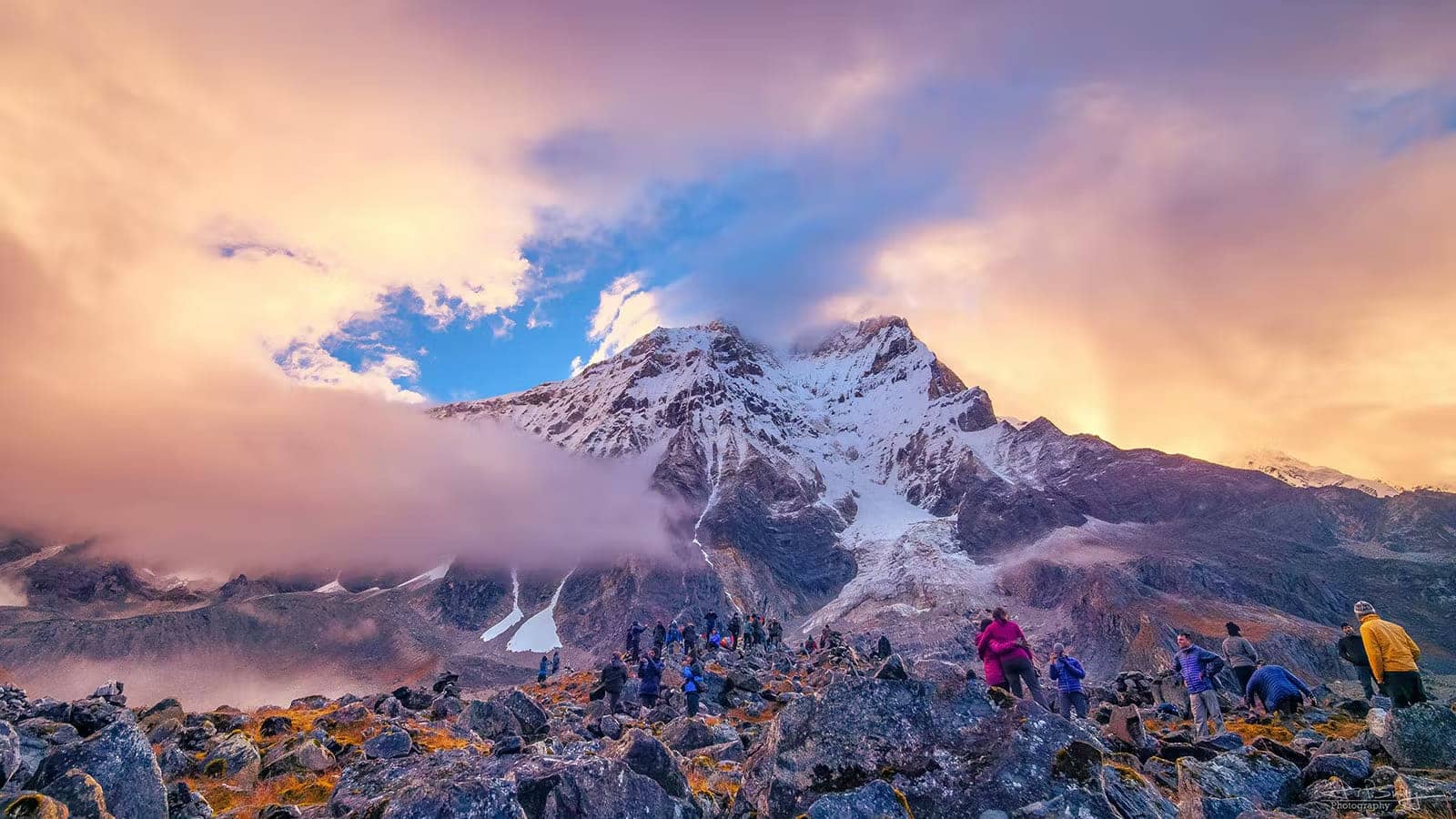
Although you normally cannot access the actual Goechala Pass because of environmental regulations, the peak at View Point 1 (15,100 feet) will provide your best perspective from which to view your accomplishments as a trekker. This differs from the Everest Base Camp trek where the summit of Everest is often blocked from view by the Nuptse ridge; being at Goechala's viewpoint puts you literally in the middle of an immense, horseshoe-shaped amphitheater. You stand in handshaking proximity to the majestic southeast face of Mt. Kanchenjunga (8,586m). The verticality of the main summit is astonishing in its height while flanking it are Mt. Pandim's enormous, icy walls, the Kabru Range and Simvo. These features create an uninterrupted, head-on view of The King of The Five Treasures.
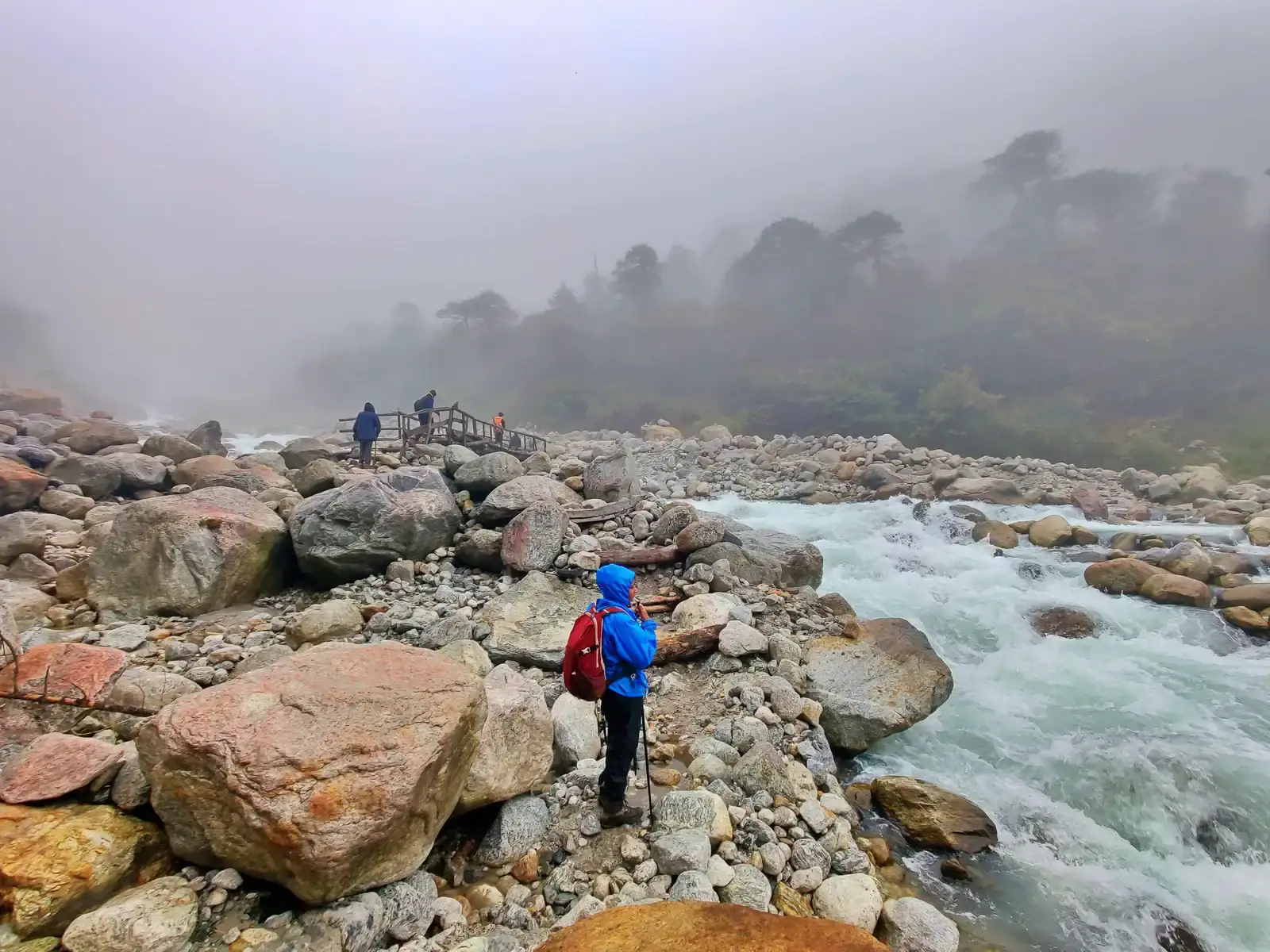
The Goechala Trek has a dramatic change in environmental conditions called the vertical sweep from sea level to the highest point on the Earth. Trekkers start their trek in a wetter ecosystem - the mossy subtropical rainforests of Yuksom, which are at a height of 5,840 feet and filled with thick canopies of oak, chestnut, and lucrative trees in addition to an abundance of shrubs and ferns. As trekkers continue up the mountain, the vegetation/canopy moves from dense to twisted, showing (roughly) the difference of (twisting) rhododendron that go up along the whole western side of the Himalayas down to the alpine meadows of Dzongri which are located in the northern part of the area. Finally at the peak are the glacial moraines (deposits of icicles) of grey as well as turquoise-colored Samiti Lake against the jagged ridges and peaks of the Kanchenjunga mountain range.