Maximum Altitude
15,069 ft.
Trek Duration
6 Night / 7 Days
Trek Distance
40 km
Difficulty Level
Moderate to Difficult
Start/End Point
Natraj Chowk, Rishikesh
Nearest Airpot
Jollygrant Airpot, Dehradun
Best Season
April - May / Sep - Oct
Accomodation
At Joshimath hotel on the 1st & 6th day and during the trek at the dome style tent.
Meals
Breakfast, lunch, evening snacks and dinner
Permits
Forest Department & Trekking permit
Temperature
10°C to 18°C (day) , 5°C to -10°C (night)
Snow
Dec - April
Pangarchulla Peak provides a stunning summit trek that connects high-altitude trekking experiences with entry-level mountaineering experiences in the Garhwal Himalayas. The trek starts from Dhak Village and winds through the verdant rhododendron and oak forests of Tugasi and Gulling, ending at the peak of this popular destination located within the Nanda Devi National Park. Although this trek shares the first part of the trek on the legendary Lord Curzon Trail en route to Kuari Pass, Pangarchulla’s distinguishing feature is that it requires the greatest skill level on summit day due to its steep snow slopes in spring or large boulder fields in autumn. The panoramic view from the summit of Pangarchulla provides trekkers with the most unique amphitheater view of some of India’s tallest peaks including Nanda Devi, Dronagiri, and Trishul, which makes Pangarchulla a great place to achieve an impressive technical accomplishment and an inspiring sense of pride above the clouds.
Located at 15,069 ft above sea level, Pangarchulla Peak presents a real summit trek and not simply a pass trekking experience; therefore, the summit push takes about 12 to 15 hours and serves as an ideal transitional route from trekking to mountaineering, since it entails technical trekking along ridges and up steep snow-covered slopes. The views at the summit are sublime, offering panoramic (360-degree) views of some of the most notable peaks in the Himalayas, including Nanda Devi and Dronagiri. In addition, the trek to the summit is along the Lord Curzon Trail, which was originally established by Lord Curzon, and the trail goes through dense oak forests and alpine meadows.
1. The Chimney Peak: The summit of Chimney Peak (Pangarchulla) at an altitude of 15,069 ft, offers trekkers the true experience of being an introductory summit vs. an ordinary pass trek. While pass treks, such as Kuari Pass and Brahmatal have moderate levels of trekking experiences whereas Chimney Peak is an entirely different experience. Trekking to Chimney Peak will require more physical endurance and mental strength than trekking the average mountain in the Himalayas.
2. An Amphitheater 360° View: Because the summit is in a very isolated location, it serves as a natural amphitheater. When you reach the top of Chimney Peak, you will see the Nanda Devi Sanctuary from above, looking directly at many mythical peaks, including Mt. Nanda Devi, Dronagiri Peak, Kamet Peak, Trishul Peak and Hathi-Ghoda Parvat.
3. Gateway for Aspiring Mountaineers: This trek can serve as an excellent training ground for someone who has trekking skills and wants to build or enhance their skills in mountain trekking. This trek provides a variety of terrain for trekkers to train in, with a transition from easy trekking trails through the forest to mountainous meadows (Bugyals) to extremely difficult ridgelines, deep snow (Spring) and complicated boulders in Autumn.
4. The Lord Curzon Trail Connection: The route travelled by Lord Curzon in 1905 is historically significant to your adventure as you will be following the same path taken by him. On this beautiful and tranquil trek, you will discover the cultural treasures of Tugasi village and enjoy trekking through incredible forests of both Golden Oak trees and Bhojpatra (Himalayan Birch) that have thrived for centuries.
5. Seasonal Transformation: One of the unique characteristics of Pangarchulla is that the mountain undergoes a total transformation roughly every 4-6 months. For example, during April and May, you will only see snow on the mountain, and therefore you will have to navigate through deep powder with gaiters and spikes. In September and October, however, you will have the opportunity to enjoy trekking on a beautiful day with the bluest skies you can imagine.
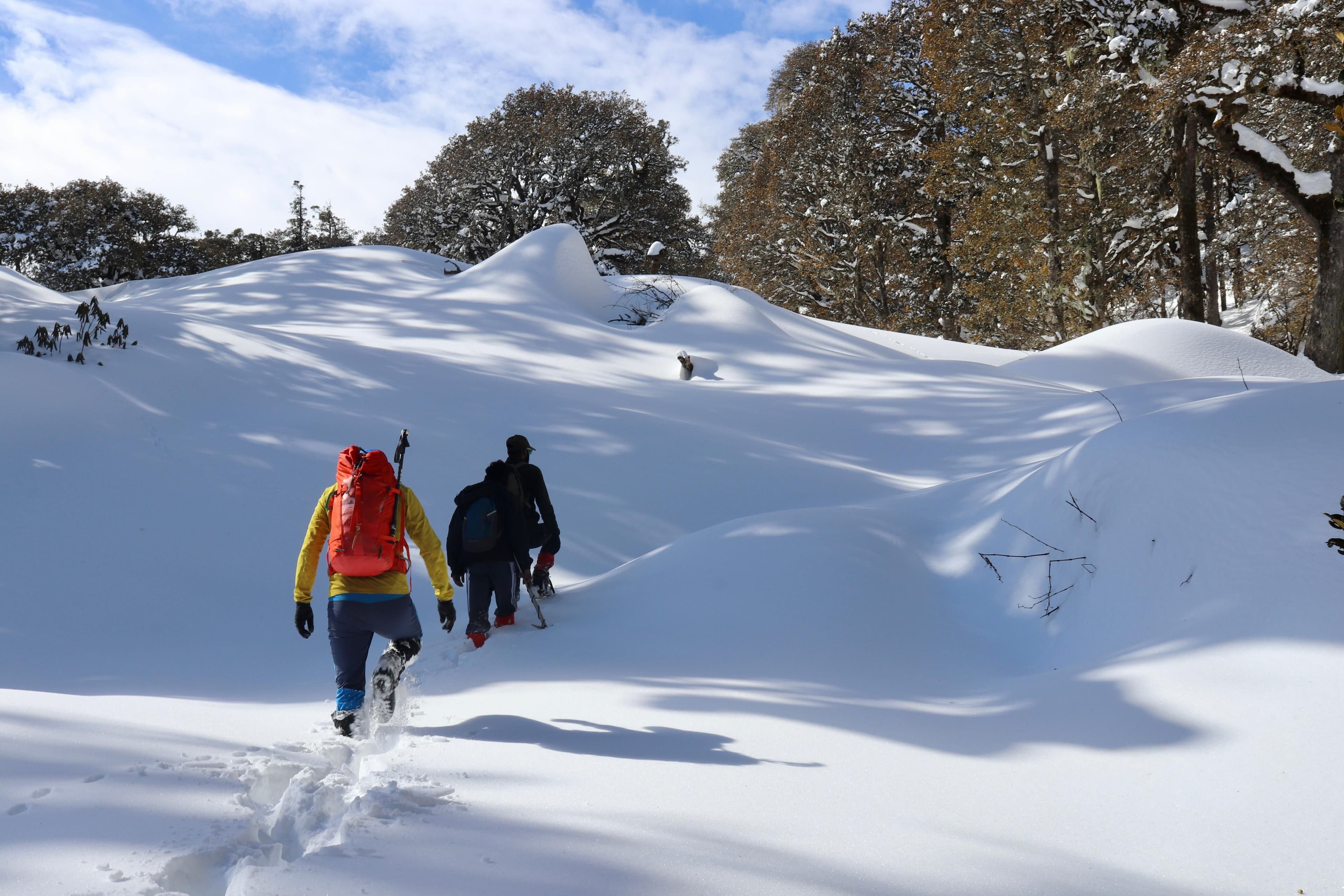
The trek is also distinguished by its historical importance and, in particular, the venerable Lord Curzon Trail. The trek will take you across the famous Kuari Pass or Virgin Pass, which is the path used by some of the early explorers of the Himalayas. The trek offers three unique adventures to the trekker; a forest walking experience, a meadow trekking experience and ascending to a technical summit. The variety of experiences along with the proximity to Nanda Devi, make the trek one of the most sought after summit destinations in the Indian Himalayas.

Pangarchulla is placed into the Moderate-Difficult category of treks. As a treasurer of the world of mountaineering, Pangarchulla is essentially a bridge to the world of mountaineering because it requires serious skills, technical abilities, and perseverance. The summer months are ideal for trekking; they offer the most daylight for your challenging trek to the summit on Day 4. This allows you enough time to traverse the elongated boulder fields and steep gullies that create the most difficulty when attempting to tackle the summit.
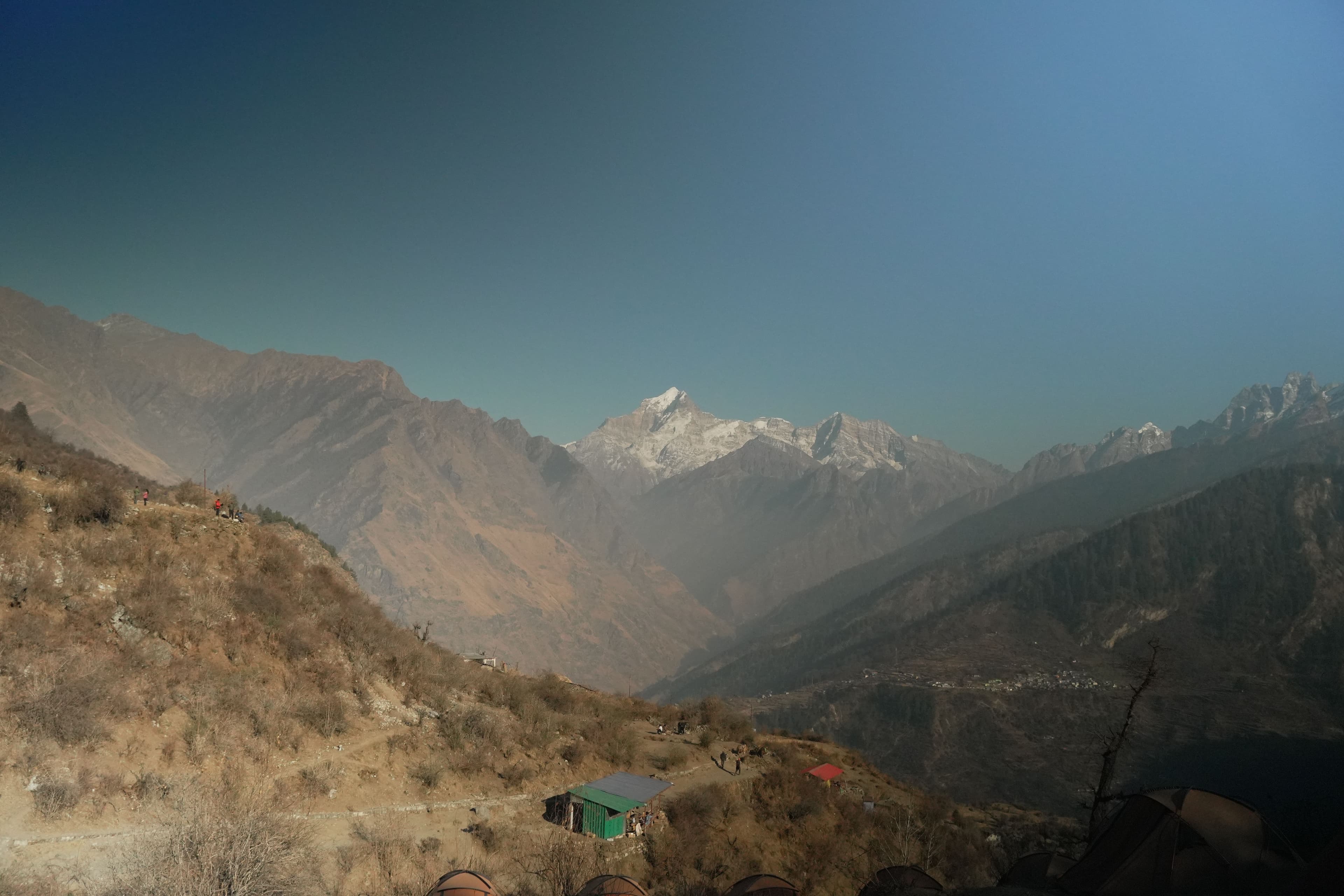
The Pangarchulla region has as one of its borders the Nanda Devi National Park and is located in the Eastern Himalayas. It is likely you will see either a stunning colourful bird called the Himalayan Monal, or a group of grazing Himalayan Tahr on some spectacularly steep cliffs. In the Pangarchula region's forests are located large numbers of Silver Birch (Bhojpatra) trees, as well as rare alpine wild flowers. Though many trekkers may not be as lucky to spot one themselves, there have been many claims of seeing the tracks of a black bear or perhaps a red fox while trekking.
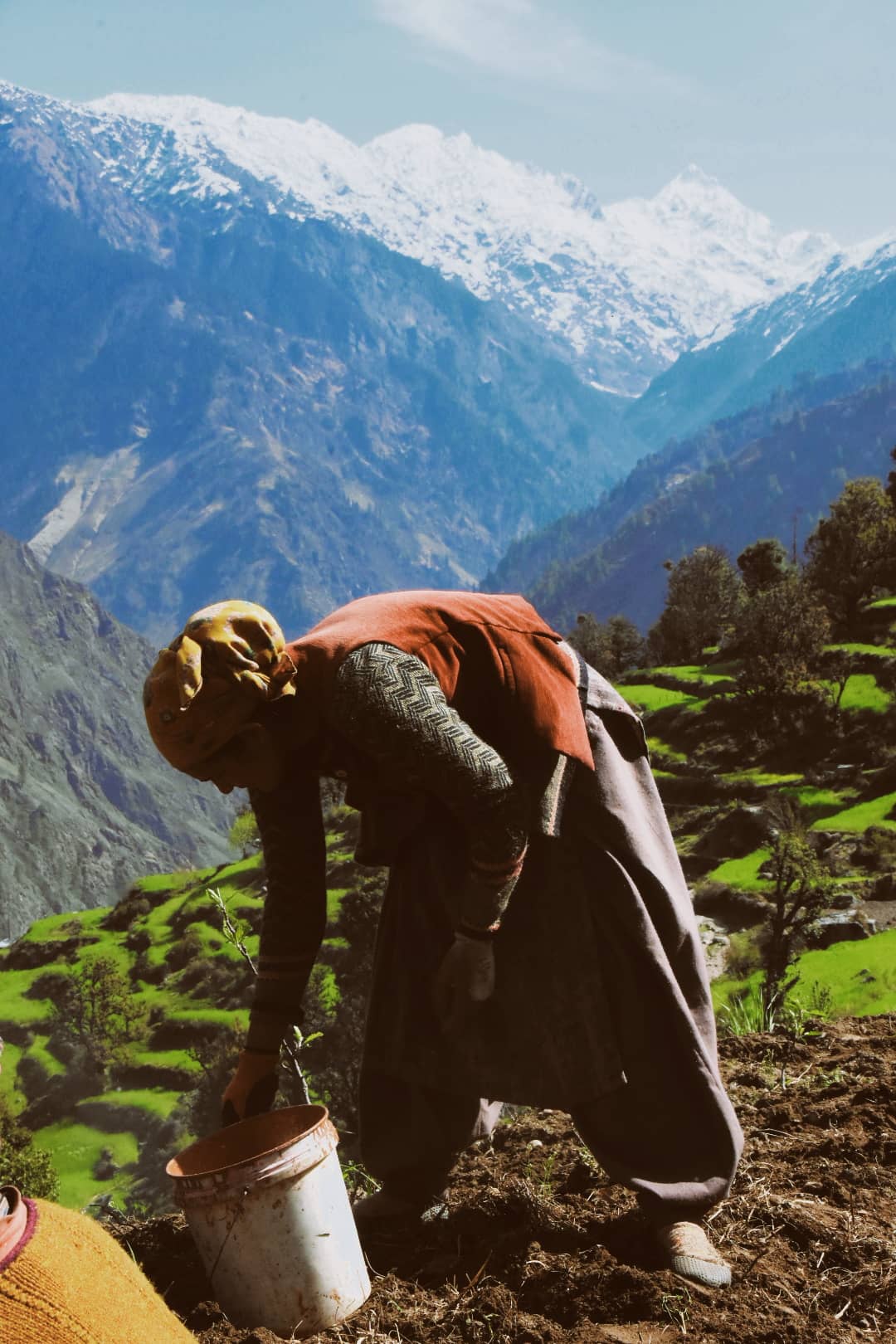
Your Trek will take you into the deepest heart of Garhwali Culture. Starting from the very remote villages of Dhak and Tugasi you will experience a lifestyle which has not changed in several centuries. Trekking through traditional stone homes adorned with intricate wood carving, as well as observing local villagers working on ancient terraced farms, will provide an opportunity to connect your physical experiences along the trek to the spiritual and resilient nature of the Mountain People that inhabit this region.
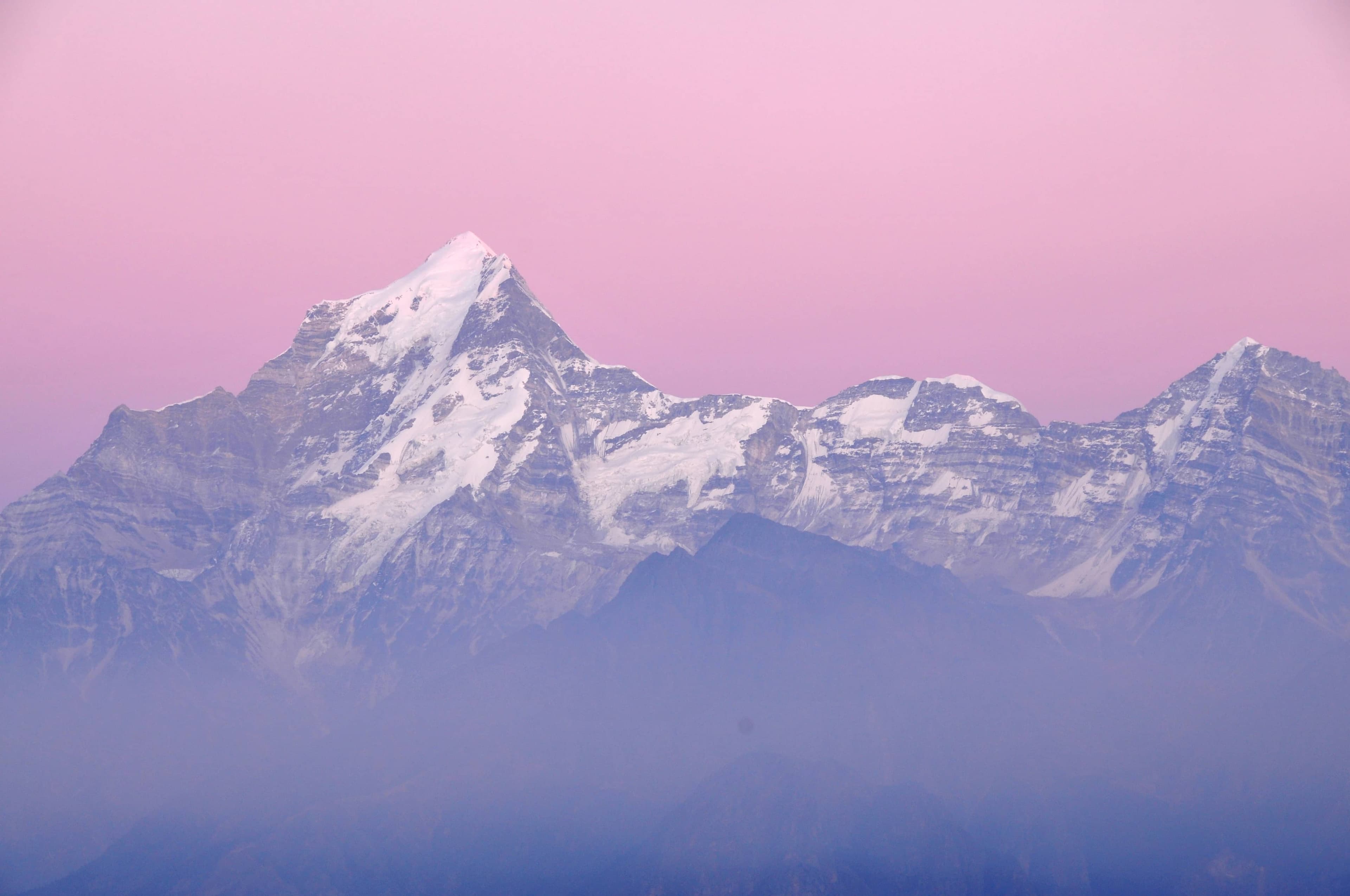
Pangarchulla looks entirely different whether you go in the winter or summer because of the vastly different snow conditions and how they affect scenery. During springtime (March to May), Pangarchulla has deep, untouched powder covered with a bright sun and amazing views of blooming reddish-orange orchids; whereas, fall (October to November) has bright blue skies with crisp clear air providing the finest visibility through in-season snow melt revealing the rocky nature of Pangarchulla while meadows are full of golden colour with sunlight shining upon them.
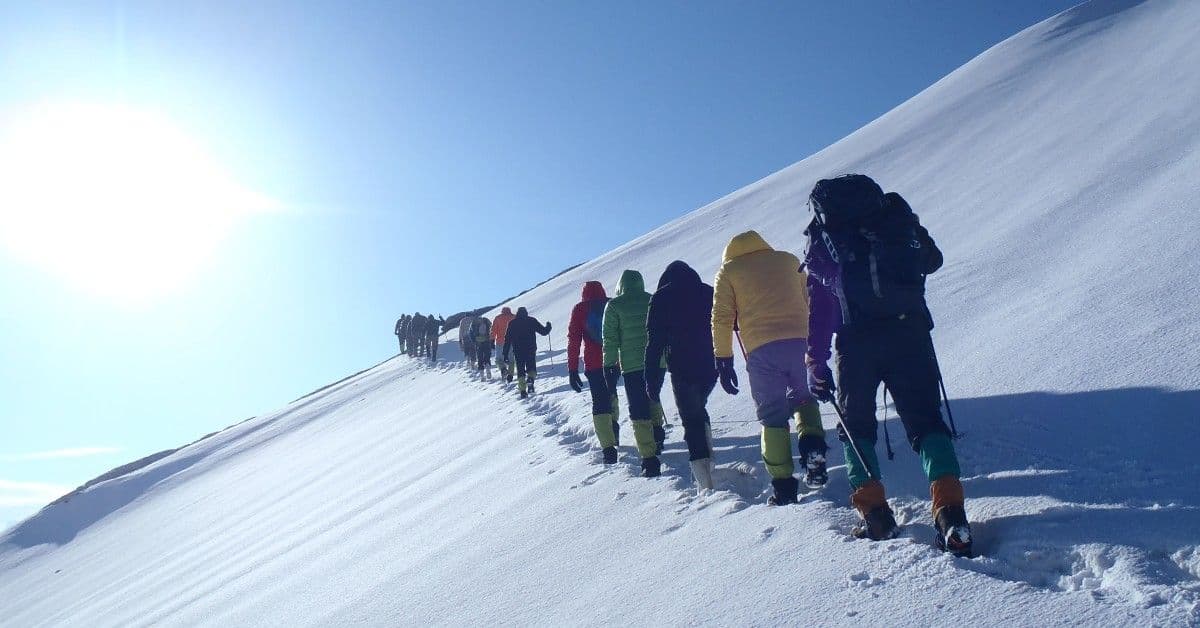
Standing on the summit at 15,069 feet is to be at the midway point of the Himalayas, where you have an unparalleled 360-degree view of the highest peaks in the world. From here, you will see the Nanda Devi Sanctuary in the middle of your view, and to the left and right you will see the highest peaks in the Indian Himalayas, including the enormous Chaukhamba, the rugged Dronagiri, and the holy Trishul. There is a profound sense of achievement to be at the summit, where you can see a horizon packed with radiantly shining snow-covered mountains.
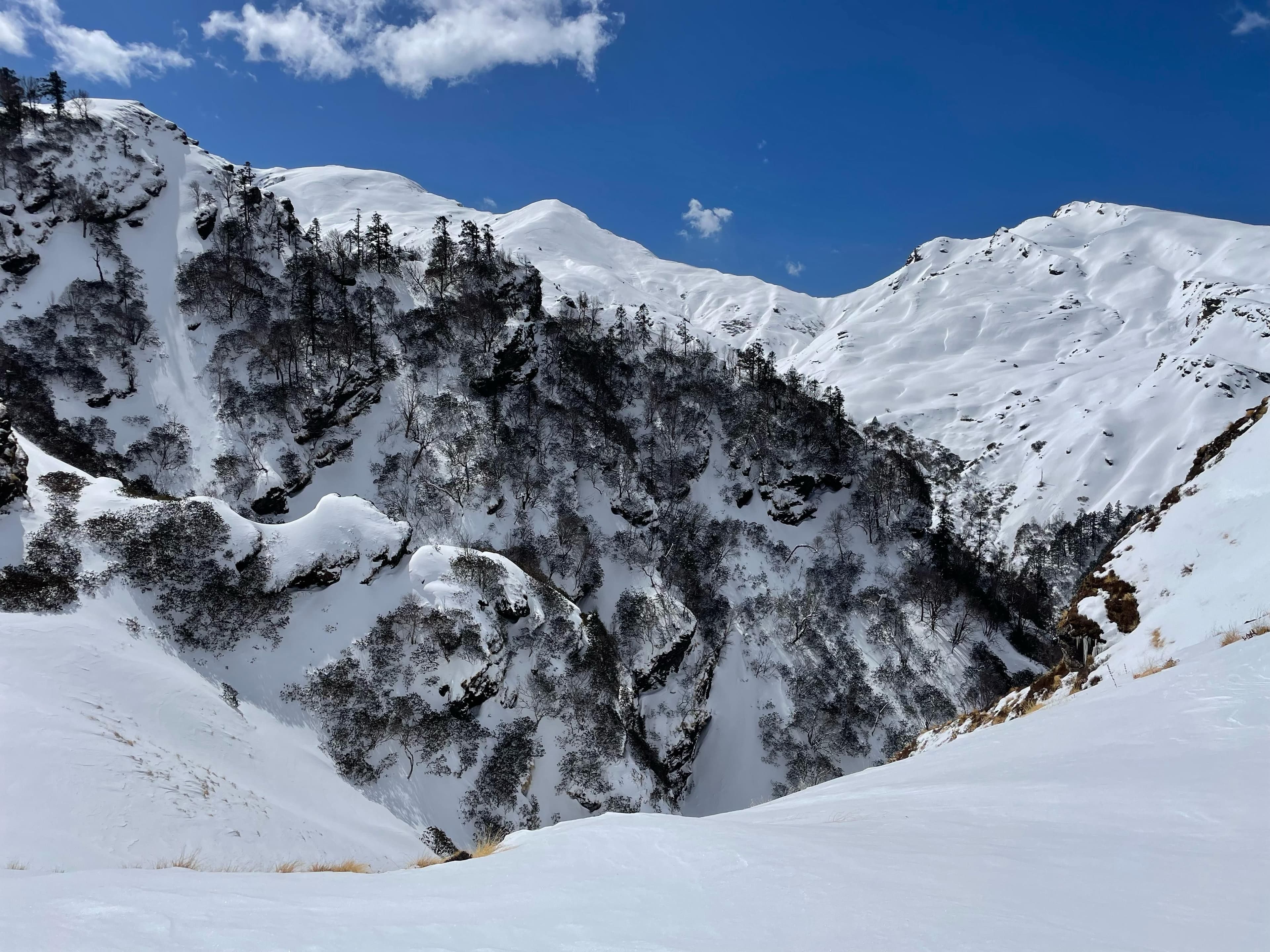
The trek is a visual wonder that evolves through three different ecological zones in just over three days. At the beginning, you trek through the darkness of the Oak and Rhododendron forests, where light trickles down from the mossy branches above. As you continue to ascend, the canopy opens to reveal the vibrant green blanket of the Gurson Bugyal, one of the highest alpine meadows in India. In the end, you find yourself in an almost moon-like setting with huge rocks and wind-sculpted ridges—creating a very different type of atmosphere.