Maximum Altitude
12,950 ft.
Trek Duration
6 Night / 7 Days
Trek Distance
68 Km
Difficulty Level
Moderate
Start/End Point
Darjeeling More
Nearest Airport
Bagdogra, Siliguri
Best Season
Spring & Winter
Accomodation
6 night stay in teahouse
Meals
Breakfast, lunch, evening snacks & dinner
Permits
Forest Department & Trekking permit
Temperature
8°C to 15°C (daytime) -10°C to 5 °C (nightime)
Snow
December to February
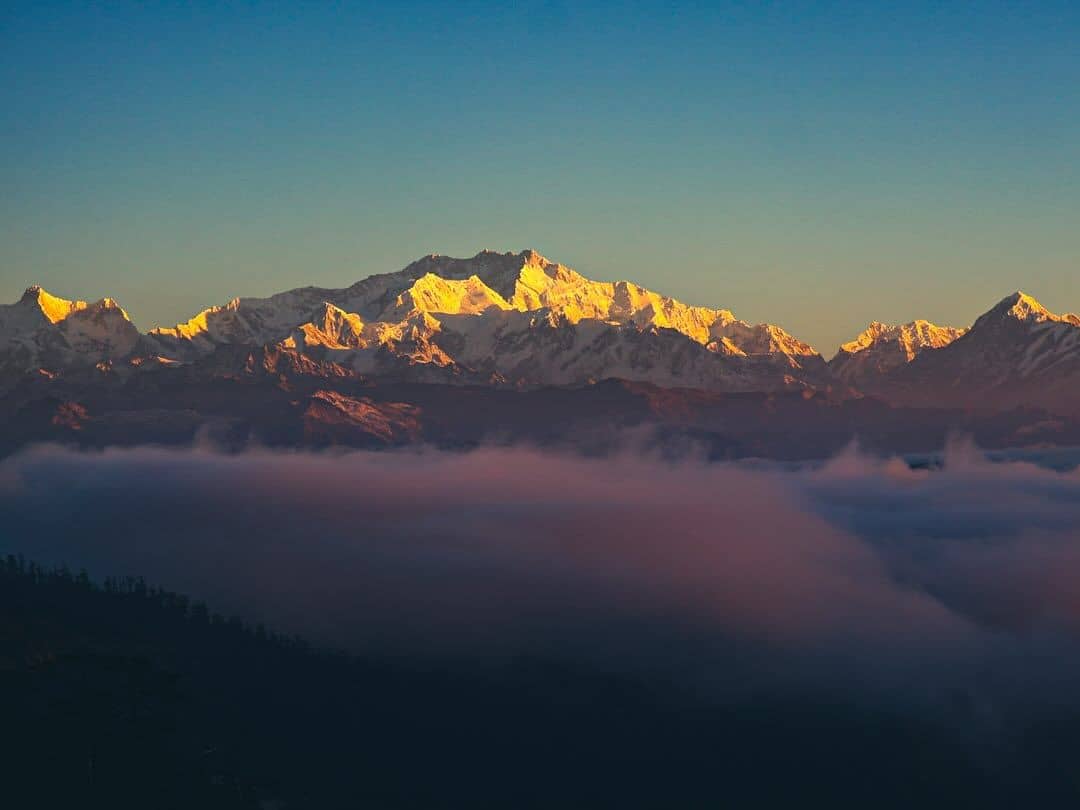
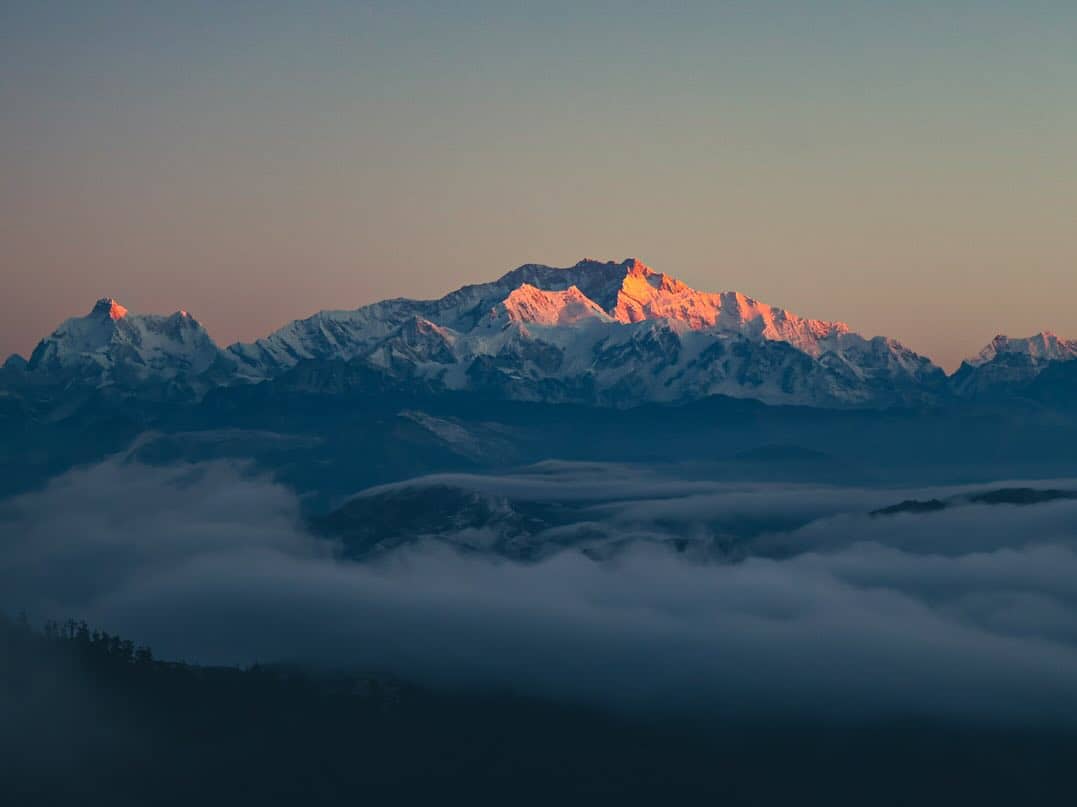
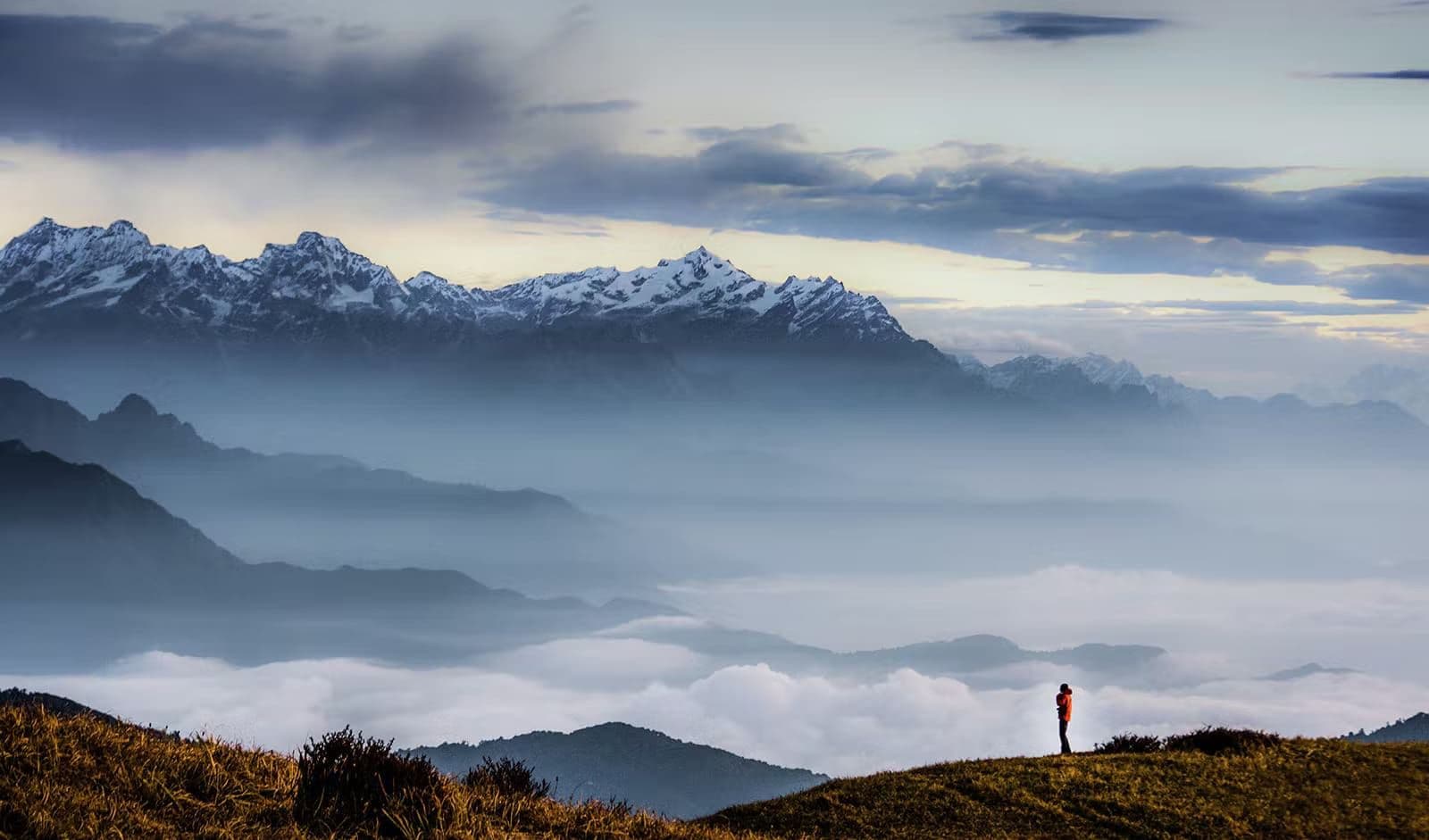
The Sandakphu Phalut trek follows the historic Singalila Ridge and serves as both a cultural and geographical barrier between the countries of India and Nepal. The Sandakphu-Phalut trail reaches an altitude of 12,950 ft. at its highest point and is widely recognized as one of the world’s best places for views of four of the five highest peaks on Earth: Mt. Everest, Mt. Lhotse, Mt. Makalu, and Mt. Kanchenjunga. The trek offers a viewing platform for the Sleeping Buddha, a mountain formation created by the western end of the Kanchenjunga range, which appears bathed in molten gold when viewed during the breath-taking Himalayan sunrises. As you trek through the emerald forests of Singalila National Park, the scenery changes from the lush, moss-covered forests of oak and ancient rhododendron trees (spring flowers) to the open alpine meadows of the west, which provide habitat for the elusive red panda. There is a dynamic quality to the geographical terrain of this trek since you will cross international borders multiple times each day. In addition, you will find accommodation in rustic tea houses, which allow for an increased level of personal interaction with the Sherpa and Bhotia cultures. The physical challenge of the ridge and the spiritual experience of trekking at such high altitude creates a balance of challenge and peace.
1. The Big Four 8,000 m Panorama
2. The Sleeping Buddha Massif
The Kanchenjunga Range is a spiritual and cultural symbol in addition to its physical features.
3. The Ballet of Borders (India / Nepal)
The trek follows the Singalila Ridge, which marks the official border between India and Nepal; thus you get to enjoy an exciting combined logistical and cultural itinerary.
4. Biodiversity of Singalila National Park
The landscape of Singalila National Park isn't just an arid high altitude desert but a diverse and verdant eco-system.
5. Classic Tea-House and Land Rover Culture
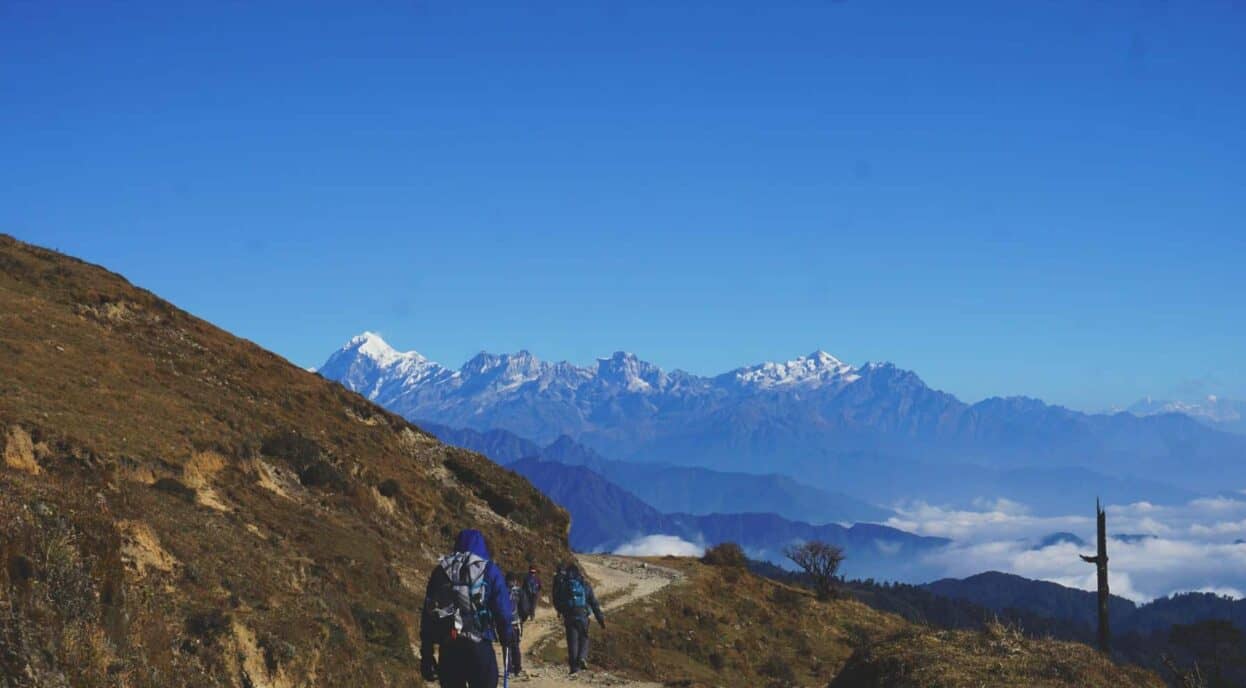
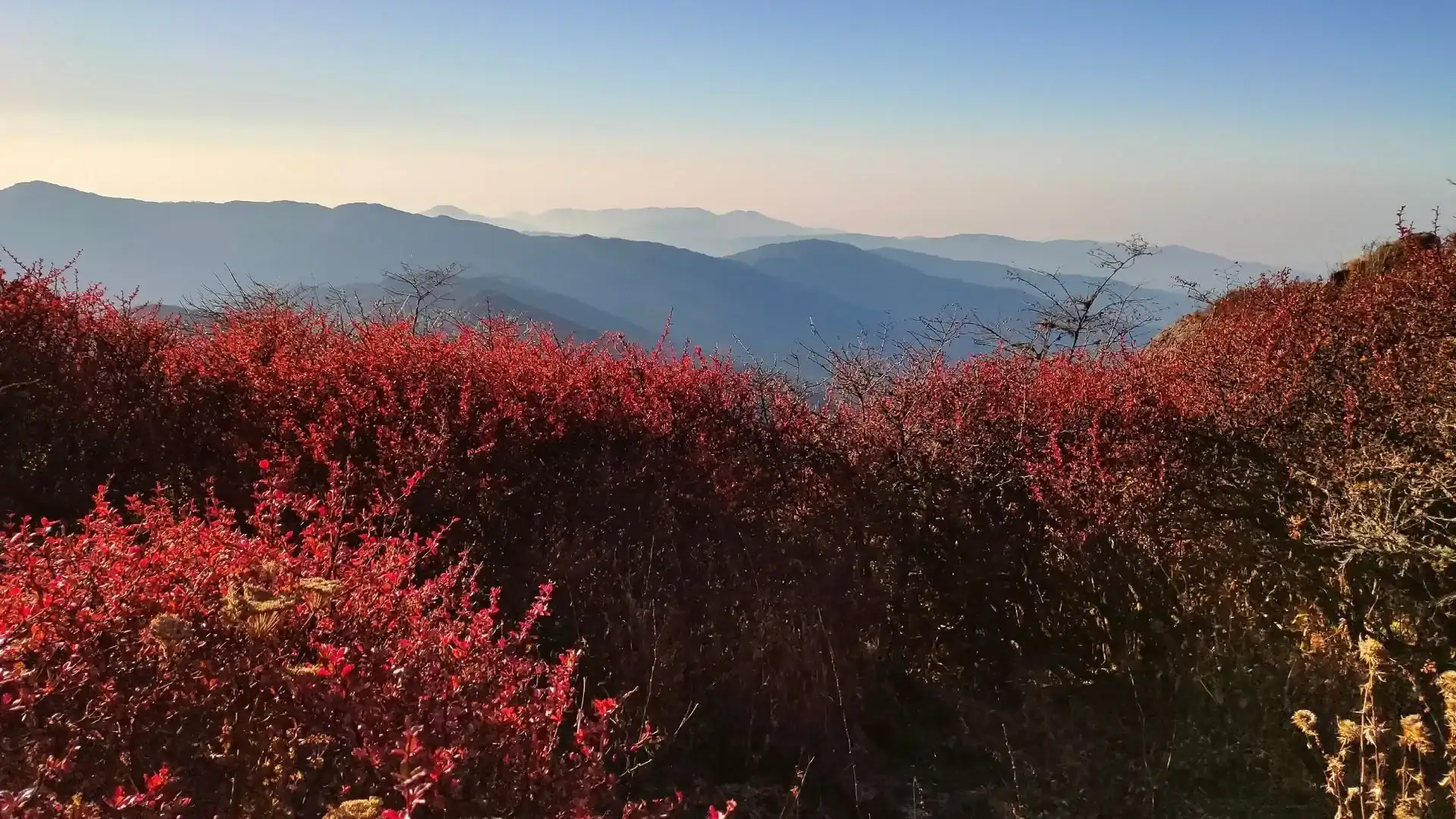
Registered on the World Heritage List by UNESCO, the trail runs through the actively-managed Singalila National Park. The Park is designated as a multi-national reserve that is internationally recognized as one of the world's bio-diversity hotspots and acts as a transitional zone between Eurasian temperate rain forests (sub-tropical broadleaf) and Asia temperate cold-snowy meadow grasslands.
Depending on the season you visit, the Sandakphu-Phalut trek will present a completely different personality. Below is a breakdown of each of the seasons in a simple and concise manner.
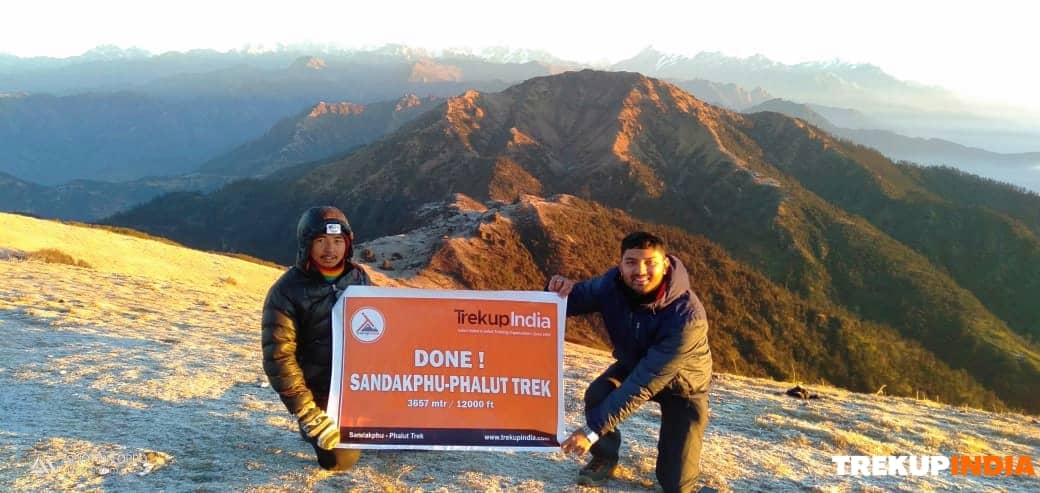
The Summit Experience at both Sandakphu and Phalut is the emotional and visual peak of the trek; both are identical in their awe-inspiring views. The experience can be summarized as follows: