Maximum Altitude
13,800 ft.
Trek Duration
4 Night / 5 Days
Trek Distance
33 Km
Difficulty Level
Easy to moderate
Start/End Point
Yodo Cafe, Old Bridge, Kasol
Nearest Airport
Bhuntar Airport, Kullu Manali
Best Season
April, May & June
Accommodation
1 Night at guesthouse & 3 Night in a dome styled tent.
Meals
Breakfast, lunch, evening snacks and dinner
Permits
Forest Department & Trekking permit
Temperature
12°C to 18°C (day) ; 5°C to -10°C (night)
Snow
November to February
Trekking the Sar Pass represents a 33 km long experience in the Parvati Valley of Himachal Pradesh, India and can be seen as the bridge between the lush green lower forests of the Valley and the more barren high alpine Wilderness found at 13,800 ft. above sea level. The trek starts in the alternative community of Kasol and continues up a mountain to a series of natural galleries filled with the variety of plant and animal life to be found throughout the region. These galleries can be found where trekkers first enter Deodar tree canopies in the Grahan region, to large fields of wildflowers in Min Thach, and finally to large patches of snow in Nag Saru. The trek gets its name from the word Sar, which refers to a frozen body of water that occurs at high altitudes that trekkers must cross in order to progress to the dramatic ridge line of the summit. Although this trek is classified as being of moderate difficulty, it is one of the most exciting Himalaya experiences and has a final stage that consists of a beautiful 1km natural snow slide that sends trekkers speeding down from the pass to the lush jungle-like environment of Biskeri Ridge, with an abundance of waterfalls. Trekking the Sar Pass is not just about physically challenging yourself by performing extreme physical endurance activities or trying to breathe in thin high-quality air. The Sar Pass trek represents an emotional evolution as well. For example; the smell of the pine tree needles that will fill the air as you reach Grahan, will give you a sense of comfort before you reach the frozen area in the vicinity of Nag Saru. At that point in time, you will begin to have feelings of a much more accomplished level of personal euphoria.
The Sar Pass Trek isn’t just a trek; rather this is a fabulous journey from the funky cafes of Parvati Valley all the way to the wilderness at a high altitude. Its specialties consist of the combination of rock formations, geological features and global heritage that you cannot find on an alternate route through the Himalayas.
1. The Legandary Snow Slide – A High Altitude Roller Coaster
The major highlight of the whole Sar Pass Trek experience is the descent from the 13,800 ft summit of the mountain. Unlike other high altitude Himalayan passes, where you will typically have to trek on severe sharp rocks, the Sar Pass descent gives you thousands of square feet of ice slides to use as snow chutes. The slopes of snow / ice are the size of a massive mountain roller coaster and therefore allow trekkers to sit on their rear end, and to slide down hill for hundreds of meters at a time. The endless number of snow slides that you will experience on this trek constitutes the longest and most fun snow hill in the Indian Himalayas. This experience will create an outstanding feeling of being a child on a truly beautiful adventure, and provides the highest adrenaline rush of your life after an incredibly tough ascent.
2. The Sar Crossing: Standing On Frozen Silence
The lake crossing is named after the local term for lake (sar), and involves traversing a high alpine meadow where there is a mystical emerald lake. For most of the trekking season, from May to June, this lake is completely frozen over and buried under a thick blanket of snow, creating a vast flat white expanse. When you stand in the centre of the frozen sar, the silence of the high altitude desert, the sheer whiteness of the horizon, creates an extraordinary feeling of isolation. There is a feeling that you have entered a totally different world.
3. Nagaru’s Island In The Sky: The Ultimate Ridge Line
Nagaru is without a doubt, the most dramatic campsite in the Parvati Valley, if not in all of the Himachal region. Located on an incredibly sharp ridge at nearly 12,500 feet, it truly feels like an island in the sky, floating between two civilisations. From one side of the island, you can look straight down into the steep gorge to see the twinkling lights of Parvati Valley; from the other side, you are greeted by large, jagged silhouettes of the Tosh Valley and the Pin Parvati range. This site is so exposed that the sun rises at the edge of the ridge and falls into the valley.
4. The Fantasy World Of Biskeri Thach: A Study In Contrast
The transition from a bitterly cold, biting passage filled with terrible wind to the lush green meadows of Biskeri Thach is an unbelievably rewarding experience that will touch your heart as few other things can. Biskeri Thach is surrounded by towering ancient trees covered with thick long strands of silver-moss, and the meadow itself is full of wildflowers. You will be laying down on one of these lush green meadows and feeling the cold dampness of the dew as well as the feeling of the happiness and serenity that you have found will be amplified by the sounds of the glacial streams (the numerous streams coming from the melting glaciers) with an excess of oxygen in the air. The area is peaceful, tranquil, and a great place to recover from your previous hours of bitter struggle in sub-zero temperature.
5. Grahan Village: A Living Time Machine
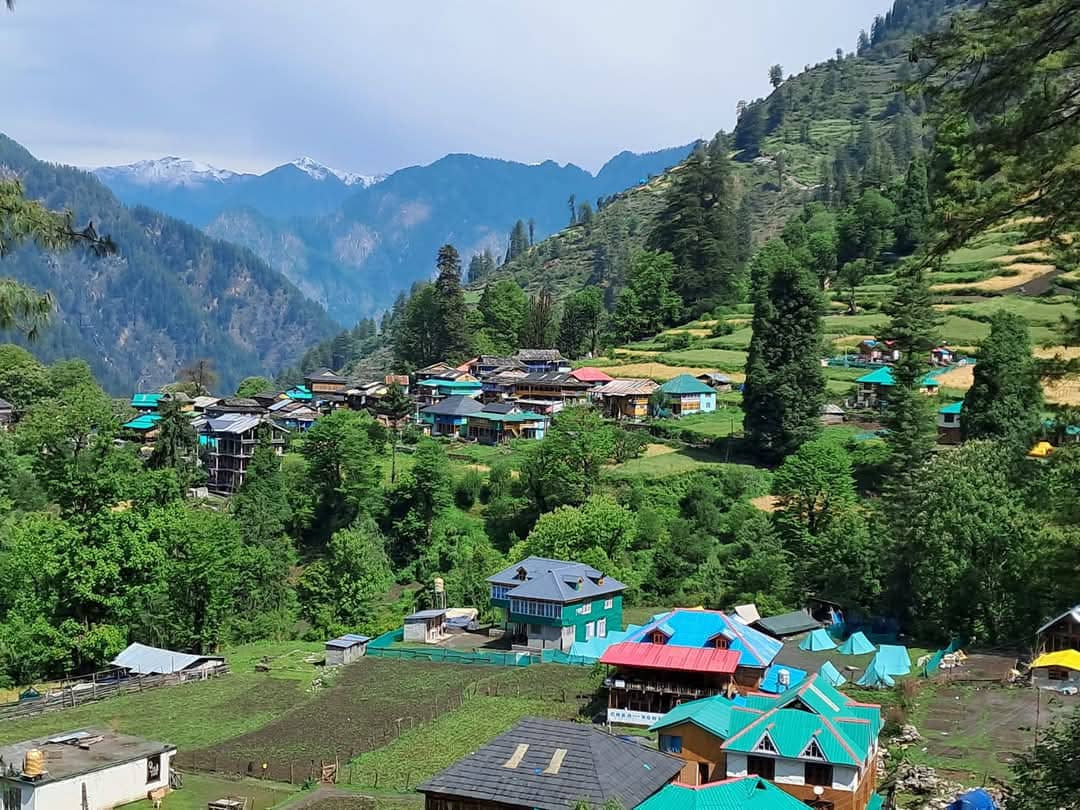
Grahan village is where the entire trekking trail has its cultural anchor and is one of the many places you will visit early in your trek through the Himalayas. Grahan has no motor vehicles so it has remained for over one hundred years to be what we call an unspoiled/cultural traditional Himachali village; completely unaffected by modern-day living. The village boasts of having many of the most intricate forms of Kath-Kuni (wood and stone) architectural styles in existence today and where the people of the village continue to use the ancient traditions of their ancestors to produce one of the world's finest Himalayan honeys and other products.
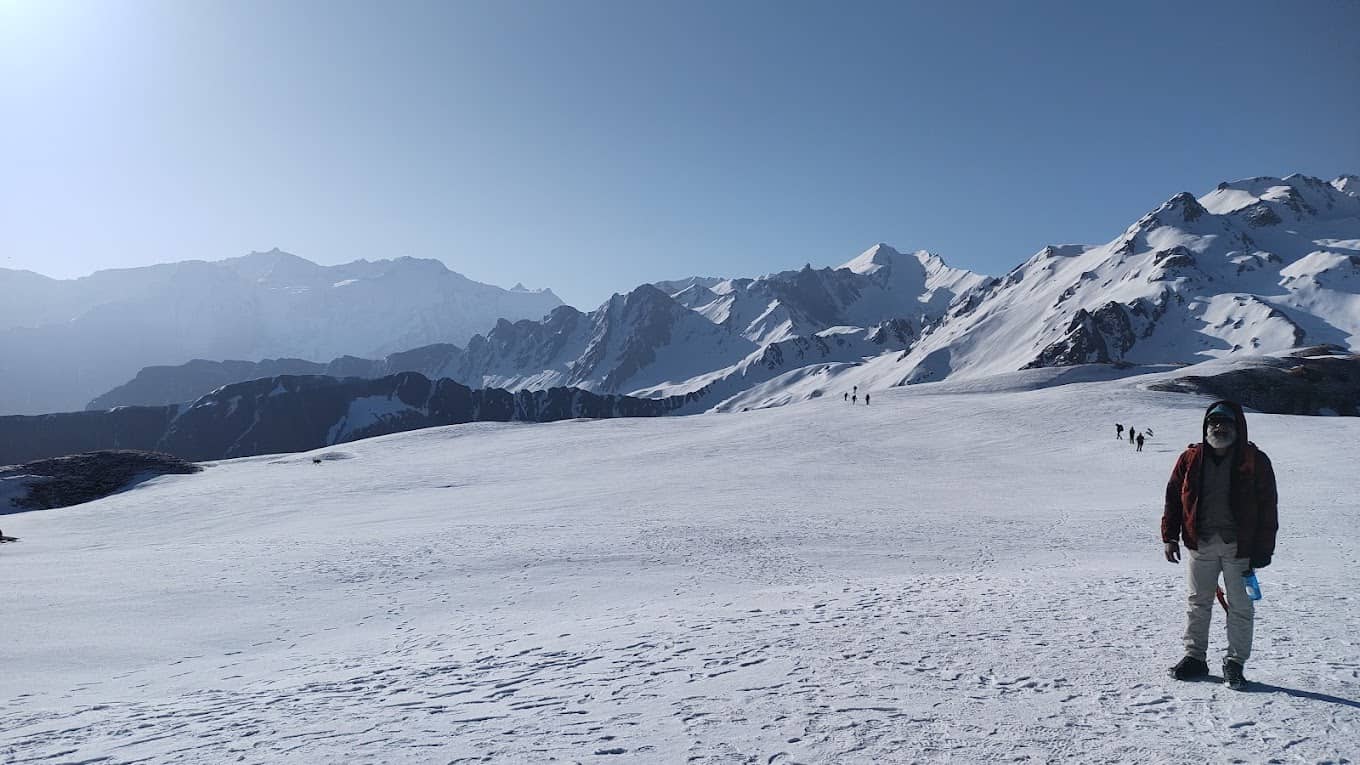
The Sar Pass Trek offers three unique experiences that would otherwise be rare: The Legendary Snow Slide–a fast-paced descent of several hundred metres down natural snow chutes, creating a rush of adrenaline that cannot be replicated anywhere else; Nagaru Ridge Camping–a high-risk stay at 12,500 ft. on a narrow ridge resembling an island in the sky with an amazing view of the twinkling lights in the valley below; and The Frozen Lake Crossing–a meditative passage over the frozen Sar (lake) providing an uncanny, polar-like experience while trekking through the silent, white wilderness of the high himalayas. The combination of these things changes a normal mountain pass into a high-altitude adventure.
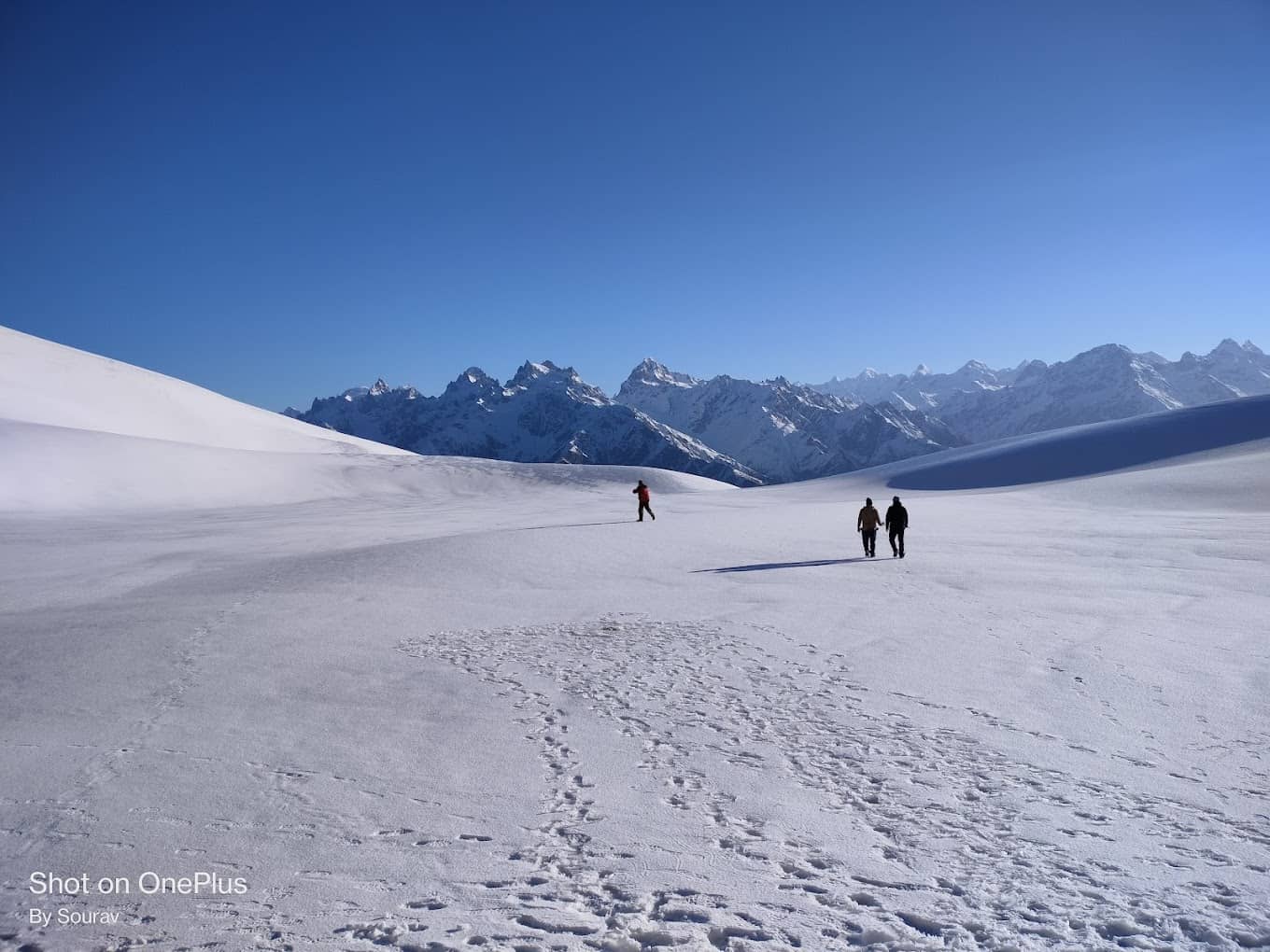
Also referred to as a Moderate Trek, Sar Pass is often acknowledged as the benchmark of moderate high altitude passes. You will not need to bring any technical gear such as an ice axe or crampons however, this is still a very physically demanding trek. The main challenge is the continuous uphill to Nagaru combined with a massive distance covered on summit day (12-14 km) through deep snow and low oxygen levels. This trek requires substantial cardiovascular fitness and mental fortitude to cope with freezing temperatures. For trekkers who would like to transition from simple weekend treks to serious multi-day expeditions to the Himalayas, this is a fantastic way to graduate.
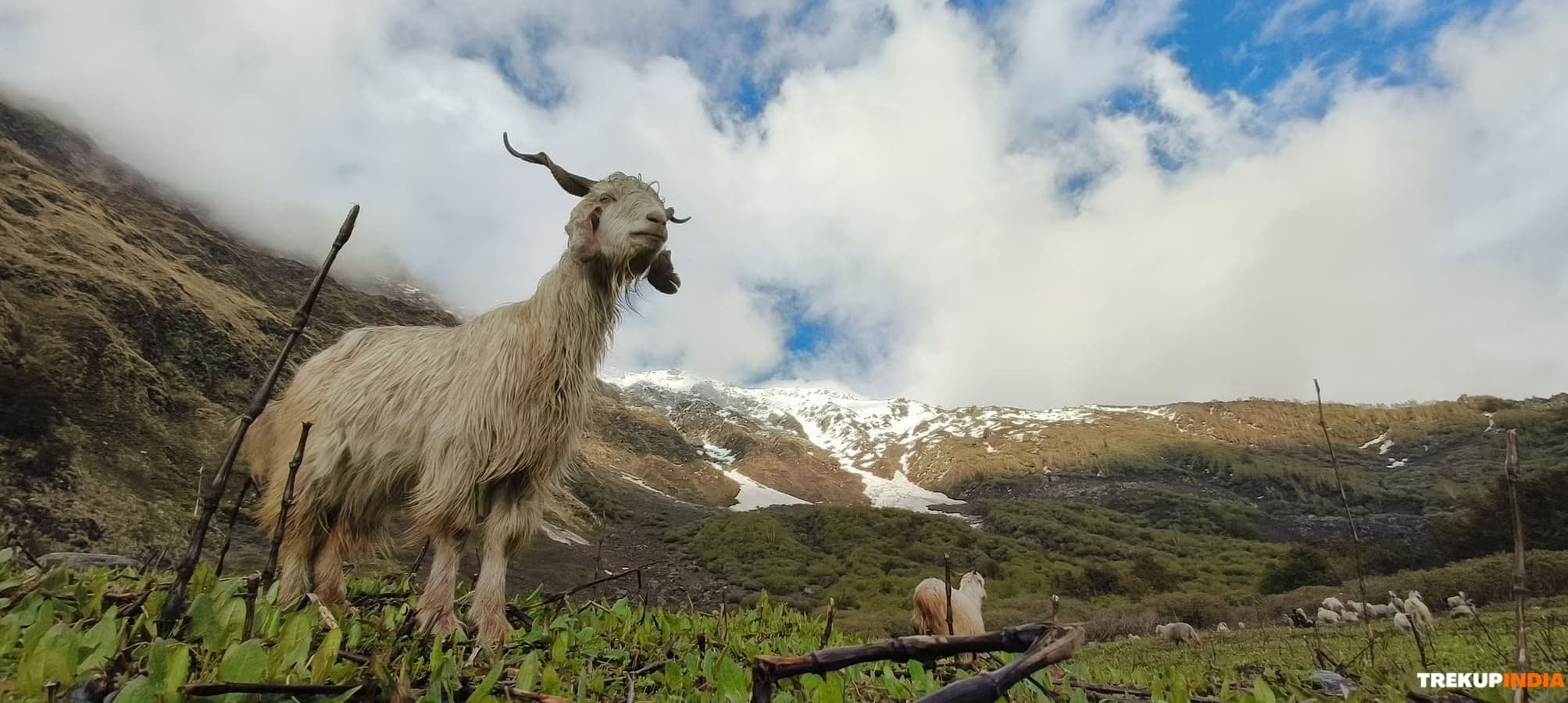
The Sar Pass trail is a recognized biodiversity hotspot located within the Great Himalayan National Park ecosystem. The lower forest is a mix of Oak, Horse Chestnut and Pine that transitions to Rhododendron woods higher up, where flowers bloom in brilliant shades of bright red and pink each spring. Moving quietly may allow you to see the Himalayan Monal, a bird renowned for its exceptionally iridescent, multi-colored feathers, or the elusive Western Tragopan. The rocky cliffs that rise above tree line sometimes provide opportunities to view Bharal (Blue Sheep) or Himalayan Ibex. One of the most magical sights is the Old Man's Beard (Usnea moss) which grows in long strands of ghostly silver hanging off ancient trees in the Biskeri forest; this gives the forest a fantasy book quality.
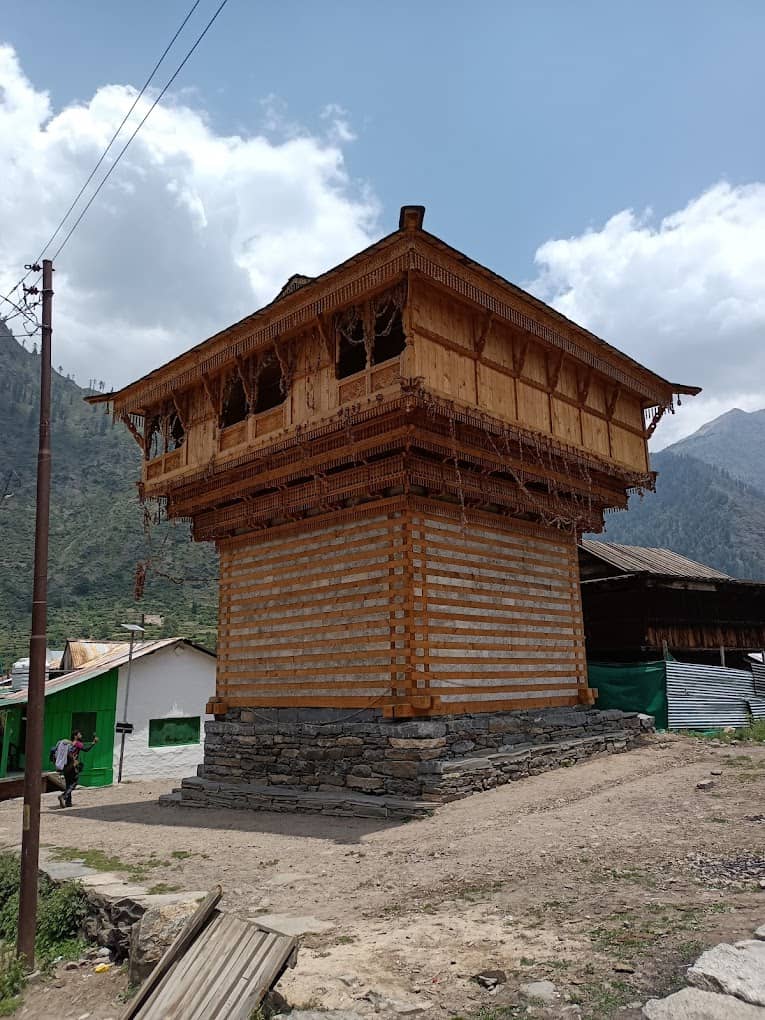
The trek provides a rare opportunity to experience the traditional way of life of the ancient people of Himachal Pradesh, in particular the people of Grahan Village. Because no road can get to Grahan, it has preserved the architecture of Kath-Kuni for many decades. The houses of the village are built of stone and deodar wood, with alternating layers of each material to create the houses; therefore, making the village an exact time capsule of how life was in the past. The customs of the area are derived from the local stories and traditions that have been passed down for generations. At the end of the trek, you will pass the bohemian villages of Pulga and Tulga, both of which are known for their unusual fairy forests and sun-drenched apple orchards. Farmers migrate to these areas along the same paths as their sheep. The Gaddi people have lived in the mountains for many centuries using their pastoral ways and creating a very strong cultural identity.
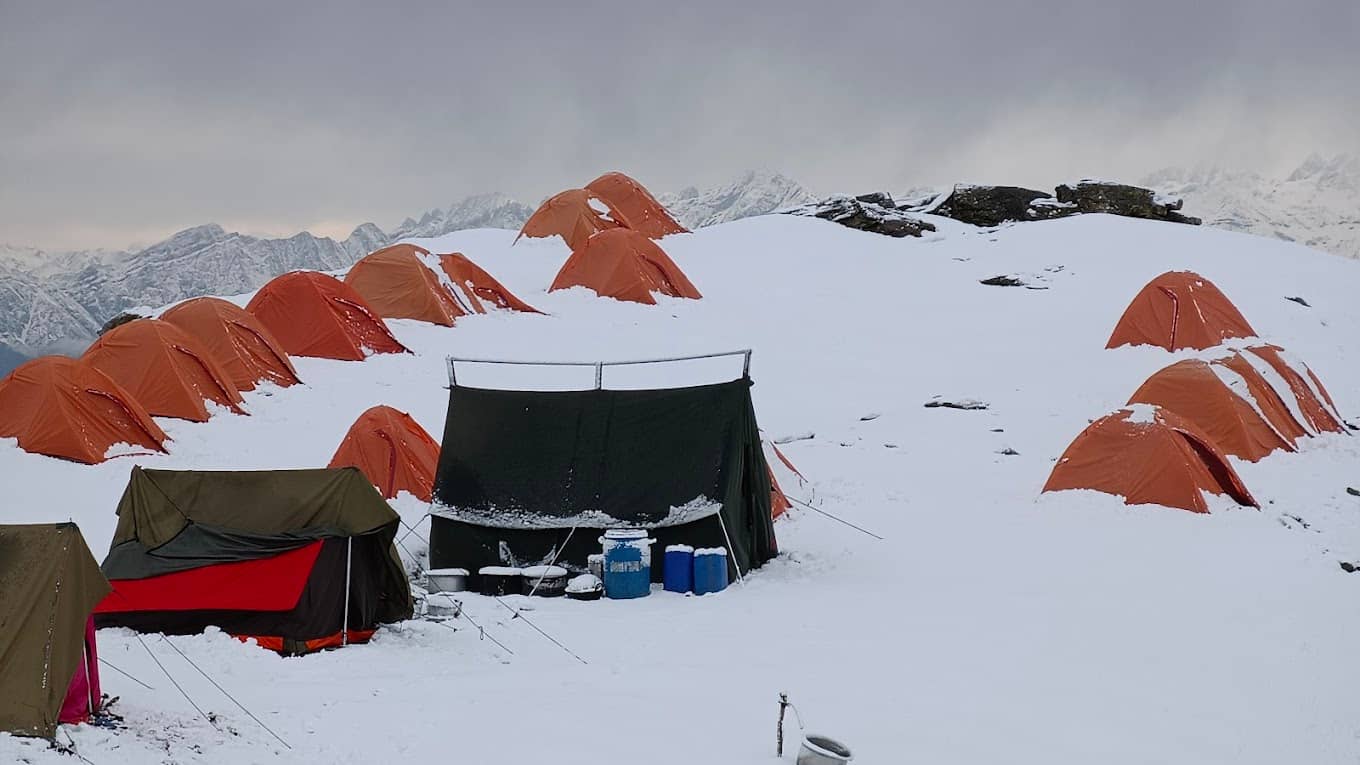
The Sar Pass is located at an elevation of 13,800 ft. that represents the apex of the physical and emotional journey of these treks. The Summit is not just one narrow peak, but a wide, snowy saddle that serves as a giant doorway between the two valleys. From the top of the Sar Pass, you will see the Sar, which is the frozen lake at its most beautiful, a beautiful expanse of white, as if a piece of the Antarctic plateau were dropped into the middle of Himachal Pradesh. Standing at this place provides a feeling of great solitude; there is the euphoria of trekker's high from being at the top of the world—having conquered the entirety of the Himalayan range and transitioned from the familiar environment below to a muted, frozen land.
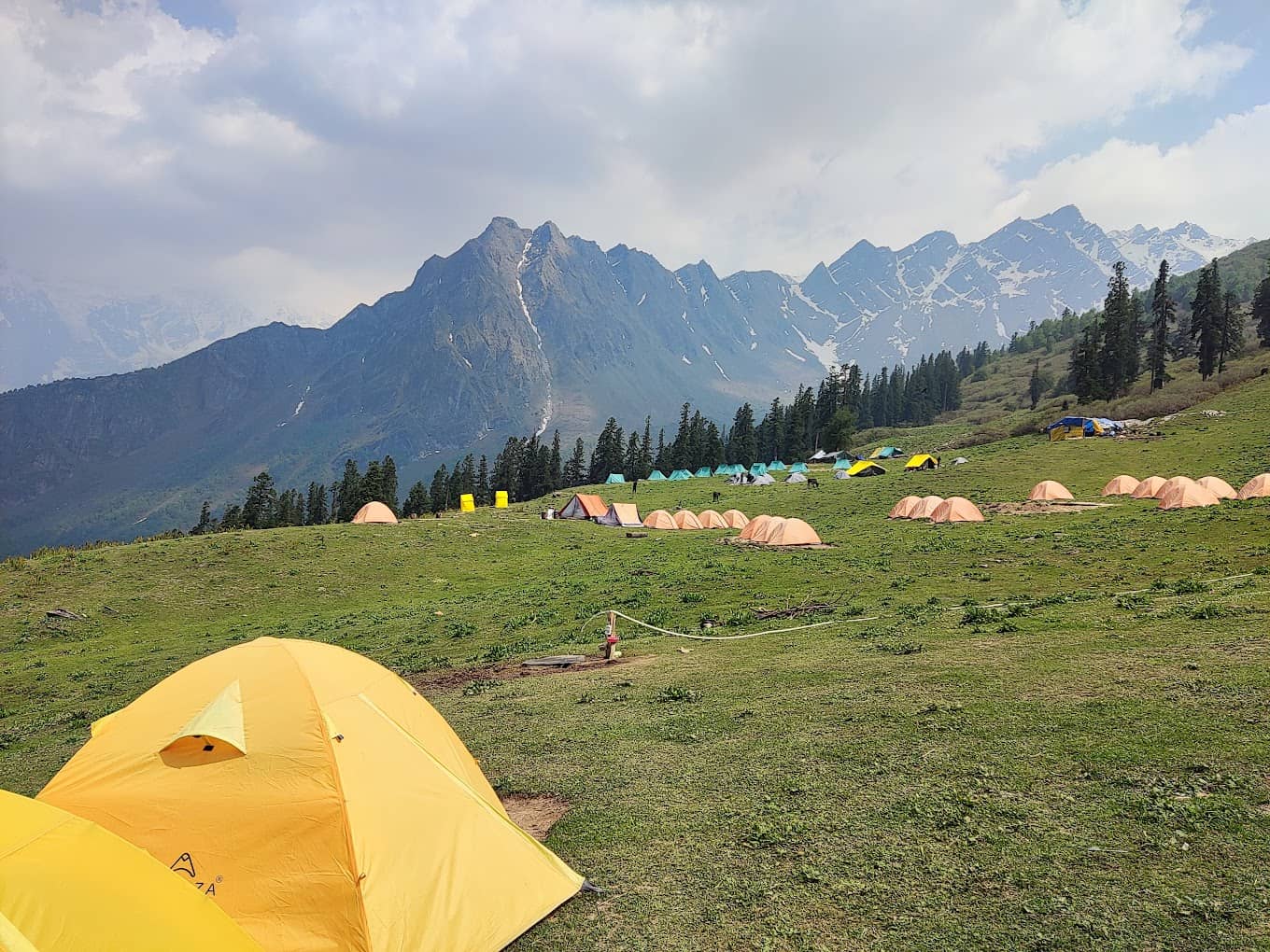
Although it may not immediately appear that you are part of the same trek, you'll find that this trek passes through a rich diversity of ecological zones. Starting in the humid valleys of the Parvati Valley, which have a very vibrant and wet smell from the many trees and plants that produce the scent, as you move up through the forest of Blue Pine and Deodar trees, you make your way to the wide-open alpine meadows (Thachs) at the end of your ascent to give way to the open spaces of the upper meadows. These Thach meadows are incredibly rich in vegetation and often covered by the heavy mists of the mountains. In addition to the rich vegetation, you will also see an incredible 360-degree view of the Tosh Valley with impressive peaks, jagged ridges, and snow-covered huts at the edge of the glaciers after you get to the top.